

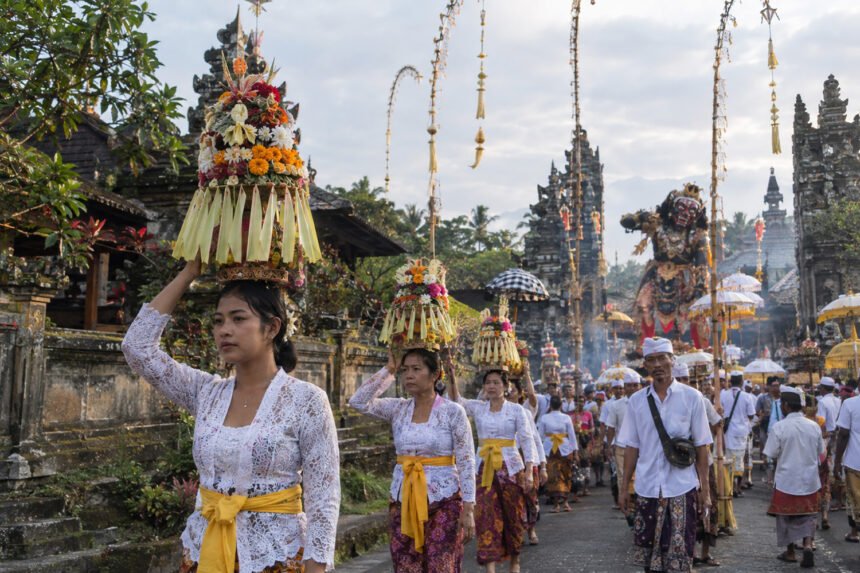
Bali is more than beaches and rice terraces — it’s an island that lives and breathes celebration. From ancient temple rituals to modern arts festivals, Bali events offer travelers a front-row seat to a culture that has stayed vibrant for centuries. Whether you’re chasing spiritual experiences, colorful parades, or creative gatherings, timing your trip around one of these occasions can turn an ordinary holiday into an unforgettable journey. This guide walks you through the island’s most iconic celebrations, what makes each one special, and practical tips to help you experience Bali events like a true local rather than a passing tourist.
- Why Bali Is a Festival Lover’s Paradise
- Nyepi: The Day of Silence and the Ogoh-Ogoh Parade
- Galungan and Kuningan: A Celebration of Good Over Evil
- Bali Arts Festival: A Month of Creativity and Heritage
- Ubud Writers & Readers Festival: Where Literature Meets the Island
- Bali Kite Festival: Skies Full of Color
- Odalan: Temple Anniversaries You Can Stumble Upon Anytime
- Tips for Experiencing Bali Events Respectfully
- Planning Your Trip Around Bali’s Celebrations
Why Bali Is a Festival Lover’s Paradise
Balinese Hindu culture is built around a rhythm of ceremonies tied to the lunar-based Pawukon and Saka calendars. This means there’s almost always something happening — a village procession, a temple anniversary, or an island-wide holiday. Unlike festivals designed purely for tourists, Bali events are rooted in genuine religious and community traditions, which is exactly what makes them so captivating. Visitors don’t just watch from the sidelines; they’re often welcomed to observe up close, given the community’s warmth and openness toward respectful guests.
Nyepi: The Day of Silence and the Ogoh-Ogoh Parade
Perhaps the most famous of all Bali events, Nyepi marks the Balinese New Year with a 24-hour island-wide shutdown. Airports close, streets empty, lights dim, and even tourists are asked to stay indoors. It sounds unusual for a “festival,” but the night before is anything but quiet. Villages across the island build towering ogoh-ogoh — papier-mâché demon statues — and parade them through the streets accompanied by gamelan music, drums, and cheering crowds before symbolically burning or destroying them to cast away evil spirits. The contrast between this raucous eve and the profound stillness of Nyepi itself makes it one of the most spiritually fascinating experiences a traveler can witness in Bali.
Galungan and Kuningan: A Celebration of Good Over Evil
Occurring every 210 days according to the Balinese calendar, Galungan celebrates the victory of dharma (good) over adharma (evil). Streets come alive with penjor — tall, elegantly curved bamboo poles decorated with coconut leaves, flowers, and offerings — lining every road and doorway. Families dress in traditional attire and visit temples, while the ten days culminate in Kuningan, when ancestral spirits are believed to return to heaven. For travelers interested in Bali events that showcase everyday devotion rather than large-scale spectacle, Galungan offers an intimate look into home and community rituals that rarely make it into typical travel brochures.
Bali Arts Festival: A Month of Creativity and Heritage
If you want a single event that captures the artistic soul of the island, the Bali Arts Festival (Pesta Kesenian Bali) is it. Held annually in Denpasar from mid-June through July, this month-long celebration brings together dance troupes, musicians, painters, sculptors, and artisans from across Bali’s regencies. Traditional dances like Legong and Barong share the stage with contemporary reinterpretations, while exhibition halls showcase textiles, woodcarving, and silverwork. Among all Bali events, this festival stands out for travelers who want a comprehensive cultural immersion in one location, without needing to travel between villages to see different art forms.
Ubud Writers & Readers Festival: Where Literature Meets the Island
For a different flavor entirely, the Ubud Writers & Readers Festival draws authors, poets, and thinkers from around the globe each October. Set against Ubud’s lush, artistic backdrop, the festival combines panel discussions, book launches, poetry slams, and workshops with the town’s already thriving creative energy. It’s a favorite stop for travelers who enjoy pairing intellectual engagement with scenic surroundings, and it has become one of the most respected literary events in Southeast Asia. This is proof that Bali events aren’t limited to religious or traditional themes — the island’s contemporary cultural scene is just as compelling.
Bali Kite Festival: Skies Full of Color
Between June and August, when the dry season brings steady winds, head to the beaches near Sanur or Padang Galak to catch the Bali Kite Festival. Teams from local villages compete to fly massive, intricately designed kites — some stretching over ten meters long — shaped like birds, fish, or mythical creatures. Originally a way for farmers to signal the gods for a good harvest, the festival has grown into a competitive spectacle involving teamwork, craftsmanship, and no small amount of local pride. It’s one of the more photogenic Bali events, especially for travelers who enjoy vibrant, family-friendly outdoor gatherings.
Odalan: Temple Anniversaries You Can Stumble Upon Anytime
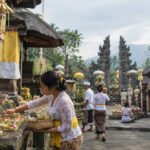
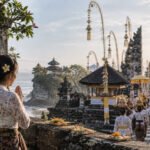
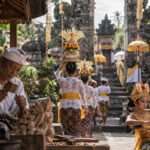
Beyond scheduled national celebrations, Bali is dotted with thousands of temples, each celebrating its own anniversary, known as odalan, every 210 days. These aren’t advertised in tourist guides, but travelers often encounter them by chance — a procession of women carrying elaborate fruit offerings on their heads, gamelan music drifting from a temple courtyard, or villagers in ceremonial dress heading to prayer. If you’re exploring rural Bali, keep an eye out for these smaller, spontaneous events. They’re some of the most authentic Bali events you can witness, offering a glimpse into daily spiritual life untouched by tourism.
Tips for Experiencing Bali Events Respectfully
Attending these celebrations is a privilege, and a little preparation goes a long way:
- Dress appropriately. A sarong and sash are often required at temples; many rent them on-site.
- Ask before photographing. Ceremonies are sacred, not performances staged for cameras.
- Check the calendar in advance. Dates for Balinese Hindu celebrations shift yearly, so confirm before you plan your trip around specific Bali events.
- Be mindful during Nyepi. Even tourists must observe restrictions on movement and noise.
- Support local artisans. Buying handmade offerings, textiles, or crafts directly benefits the communities keeping these traditions alive.
Planning Your Trip Around Bali’s Celebrations
Because so many Bali events follow lunar and ceremonial calendars rather than fixed dates, it’s worth checking exact timings a few months before booking flights. Some celebrations, like Galungan and Kuningan, happen roughly twice a year, while others, like the Bali Arts Festival and Kite Festival, follow a more predictable seasonal window. Building some flexibility into your itinerary means you might stumble upon a village ceremony you never planned for — often the most memorable part of the trip.