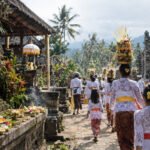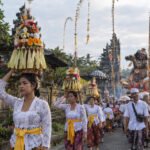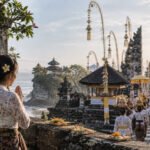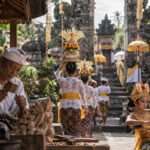


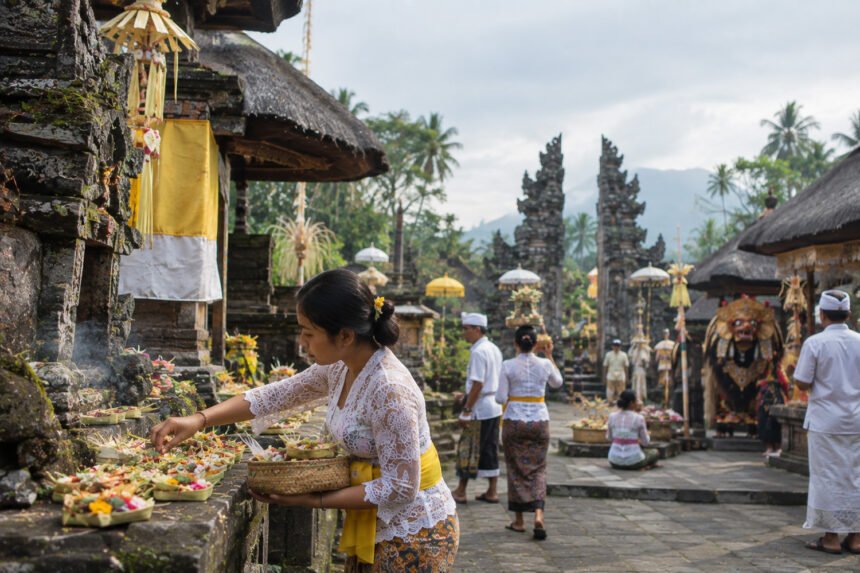
Bali is often called the Island of the Gods, but its real magic lies far beyond postcard beaches and rice terraces. Beneath the surface, Bali beats with ancient legends, sacred rituals, and community traditions passed down for centuries. From mythical guardians battling in temple ceremonies to quiet daily offerings placed on doorsteps, Balinese culture is a living, breathing story. This blog explores the local tales, spiritual customs, and cultural practices that give Bali its unmistakable soul, and why understanding them makes any visit to this Indonesian paradise far more meaningful and memorable.
- The Spiritual Backbone: Bali-Hindu Philosophy
- Canang Sari: The Daily Offerings That Tell a Story
- The Legend of Barong and Rangda: Good vs Evil
- Nyepi: The Day of Silence
- Subak: The Ancient Irrigation System Rooted in Cooperation
- Village Life and the Banjar System
- Ngaben: The Colorful Cremation Ceremony
- Traditional Arts: Dance, Music, and Craftsmanship
- Why These Traditions Matter for Travelers
The Spiritual Backbone: Bali-Hindu Philosophy
To understand Balinese culture, you first need to understand its spiritual foundation. Unlike the rest of Muslim-majority Indonesia, Bali practices a unique form of Hinduism known as Agama Hindu Dharma, blended with older animist and ancestral beliefs. This philosophy centers on the concept of Tri Hita Karana, which translates to “three causes of well-being.” It teaches that harmony must exist between humans and God, humans and other humans, and humans and nature.
This isn’t just a religious idea confined to temples; it shapes everyday life. Farmers, shopkeepers, and hotel staff alike structure their days around maintaining this balance, which is why Bali feels so distinctly peaceful and grounded compared to other tourist destinations.
Canang Sari: The Daily Offerings That Tell a Story
Walk through any street in Bali, and you’ll notice small palm-leaf baskets filled with flowers, rice, and incense sitting on sidewalks, shop counters, and shrines. These are called canang sari, daily offerings made to thank the gods for balance and protect against negative energy.
Each color and flower placement carries symbolic meaning, representing different deities and directions. Balinese women often wake up before sunrise to prepare these offerings, a ritual that has remained unchanged for generations. For visitors, these tiny baskets are a beautiful reminder that spirituality in Bali isn’t reserved for special occasions; it’s woven into the fabric of ordinary life.
The Legend of Barong and Rangda: Good vs Evil
One of the most captivating cultural stories in Bali is the mythological battle between Barong and Rangda. Barong, a lion-like creature, represents good, protection, and light, while Rangda, a fearsome widow-witch figure, symbolizes chaos and darkness.
This eternal struggle is reenacted through the Barong Dance, a mesmerizing performance combining music, trance, and elaborate costumes. Interestingly, the story never concludes with a clear victor, reflecting a core Balinese belief that good and evil must coexist in balance rather than one completely destroying the other. Watching this dance in a village setting, rather than a touristy show, offers a much deeper appreciation of its spiritual weight.
Nyepi: The Day of Silence
Perhaps no tradition captures Bali’s uniqueness better than Nyepi, the Balinese New Year, which is celebrated in complete silence. For 24 hours, the entire island shuts down: no flights, no lights, no work, and no one is allowed outside, even tourists.
The night before Nyepi, however, is anything but quiet. Villages build enormous ogoh-ogoh, papier-mâché statues depicting demonic spirits, and parade them through the streets accompanied by drums, chanting, and fire. This ritual, called Pengerupukan, is meant to drive away evil spirits before the island enters a day of self-reflection and spiritual cleansing. Experiencing Nyepi offers travelers a rare, almost meditative glimpse into a culture that values stillness as much as celebration.
Subak: The Ancient Irrigation System Rooted in Cooperation
Bali’s iconic emerald rice terraces aren’t just visually stunning; they’re the product of a centuries-old cooperative irrigation system called subak. Recognized by UNESCO as a World Heritage cultural landscape, subak reflects the Tri Hita Karana philosophy in action, blending agriculture, spirituality, and social cooperation.
Farmers across a region share water resources through community-managed canals, guided by temple priests who determine planting schedules based on religious calendars. This system has sustained Balinese rice farming for over a thousand years and demonstrates how deeply intertwined nature and spirituality are in Balinese life.
Village Life and the Banjar System
Community lies at the heart of Balinese identity, largely thanks to the banjar system. A banjar is a traditional neighborhood association responsible for organizing ceremonies, resolving disputes, maintaining temples, and supporting members during major life events like weddings, births, and cremations.
Every Balinese person belongs to a banjar, and participation isn’t optional; it’s a deeply ingrained social responsibility. This structure ensures that no family faces hardship alone and that cultural traditions are preserved collectively rather than left to individual households. For travelers staying in villages rather than resort areas, witnessing banjar meetings or community-led ceremonies offers unmatched cultural insight.
Ngaben: The Colorful Cremation Ceremony
Death in Bali is treated not as an ending but as a transition to the next life. This belief is beautifully expressed through Ngaben, the traditional Balinese cremation ceremony. Rather than being somber, Ngaben is often a vibrant, communal event featuring elaborate towers, processions, music, and even laughter.
Families sometimes wait months or years to save resources for a proper Ngaben, occasionally holding shared ceremonies to reduce costs. The ritual is believed to release the soul from earthly attachments, allowing it to reincarnate or reach spiritual liberation. For outsiders, witnessing Ngaben reshapes conventional ideas about mourning and celebration.
Traditional Arts: Dance, Music, and Craftsmanship
Bali’s artistic traditions are inseparable from its spiritual life. Dances like Legong, Kecak, and Topeng aren’t merely entertainment; they’re offerings, storytelling devices, and spiritual practices rolled into one. The Kecak fire dance, for instance, narrates the Hindu epic Ramayana using a hypnotic vocal chant instead of instruments, performed by dozens of men in synchronized rhythm.
Similarly, Balinese gamelan orchestras, wood carving, and silver craftsmanship in villages like Ubud and Celuk aren’t just tourist attractions. They represent skills handed down through generations, often taught within families as a sacred duty rather than a mere profession.
Why These Traditions Matter for Travelers
Understanding these local stories and cultural traditions transforms a trip to Bali from a scenic vacation into a genuinely enriching experience. When you see a canang sari on the ground, you’ll know it’s not litter but devotion. When drums echo through village streets, you’ll recognize a ceremony rather than a disturbance.
Respecting these customs, dressing modestly at temples, avoiding stepping on offerings, and observing Nyepi’s rules also shows cultural sensitivity that locals deeply appreciate. Many travelers report that their most memorable Bali moments came not from famous beaches, but from unexpected encounters with these living traditions.