

Bali is often called the “Island of the Gods,” but its true magic lies not in postcard beaches or emerald rice terraces—it lies in its people. Behind every temple ceremony, every intricately carved offering, and every graceful dance performance stands a community bound by tradition, faith, and cooperation. Bali’s culture isn’t preserved in museums; it’s lived daily by farmers, priests, artists, and villagers who carry centuries-old customs into modern life. This blog explores the individuals and local communities who continue to shape and safeguard Bali’s extraordinary cultural identity, offering a deeper look beyond the tourist trail.
- The Balinese Hindu Foundation: A Way of Life, Not Just a Religion
- Banjar: The Backbone of Balinese Social Life
- Subak: Farmers Who Preserve More Than Rice Fields
- Artisans and Craftspeople: Guardians of Tradition
- Dancers, Musicians, and the Living Art of Performance
- Priests and Spiritual Leaders: Custodians of Ritual Knowledge
- Women’s Roles: Silent Architects of Cultural Continuity
- Youth and Modern Balinese Identity
- Expat and Tourism Influence: A Complex Cultural Exchange
The Balinese Hindu Foundation: A Way of Life, Not Just a Religion
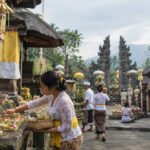
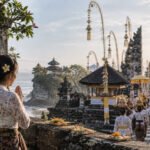
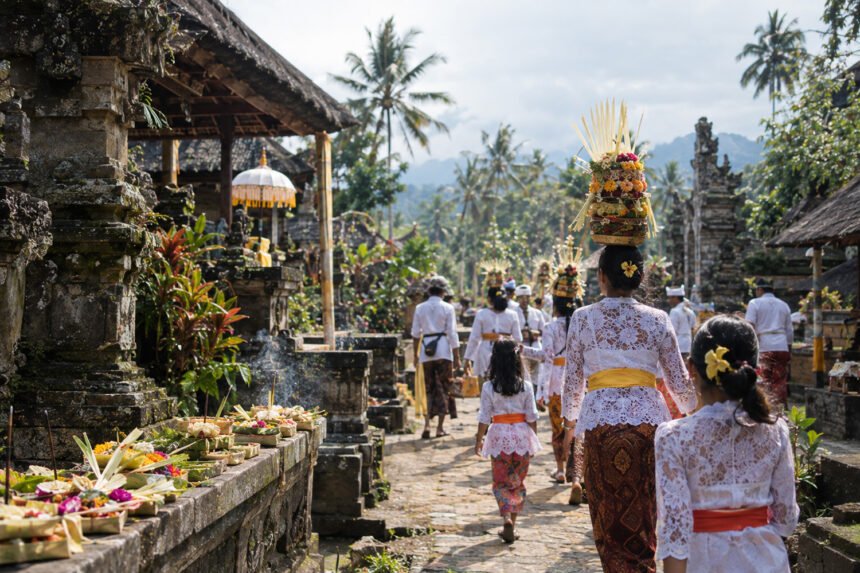
To understand Bali’s culture, one must first understand Balinese Hinduism, a unique blend of Hindu philosophy, ancestral worship, and animist beliefs. Unlike religion practiced only in temples on specific days, it permeates everyday life. Small woven offerings called canang sari appear on doorsteps, dashboards, and shop counters every morning, placed by ordinary people as gestures of gratitude and balance. This spiritual rhythm connects every community member, from children to elders, in a shared cultural consciousness that outsiders often find deeply moving.
Banjar: The Backbone of Balinese Social Life
At the heart of every Balinese village lies the banjar, a traditional community organization that functions like a local government, social club, and spiritual council combined. Each banjar manages temple ceremonies, weddings, cremations, and even conflict resolution among neighbors. Membership isn’t optional for most Balinese households; it’s a lifelong social contract. Men and women alike contribute labor, resources, and time to banjar activities, reinforcing a powerful sense of collective responsibility. This system ensures that culture isn’t just inherited—it’s actively maintained through mutual obligation and shared participation.
Subak: Farmers Who Preserve More Than Rice Fields
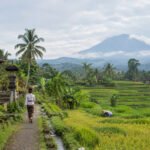
The subak irrigation system, recognized by UNESCO as a World Heritage cultural landscape, represents one of Bali’s most remarkable community achievements. Managed by local farmers rather than government bodies, subak cooperatives coordinate water distribution across rice terraces using principles rooted in the Balinese philosophy of Tri Hita Karana—harmony between humans, nature, and the divine. Farmers who work within subak communities aren’t merely growing crops; they’re sustaining an ecological and spiritual system passed down for over a thousand years. Visiting Jatiluwih or Tegalalang, travelers witness this living heritage firsthand, shaped entirely by rural hands.
Artisans and Craftspeople: Guardians of Tradition
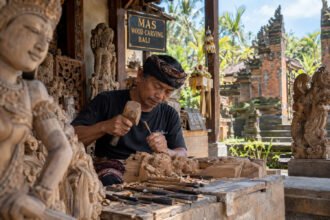
Villages across Bali often specialize in specific crafts, a tradition rooted in ancestral knowledge and generational apprenticeship. Ubud is renowned for painting and woodcarving, Celuk for silver and gold jewelry, and Mas for intricate wood sculptures. These artisans aren’t producing souvenirs alone—they’re preserving symbolic art forms tied to mythology, spirituality, and royal history. Many craftsmen still follow rituals before beginning significant works, believing that creativity itself is a sacred offering. Supporting these local artisans helps sustain not just livelihoods but entire cultural ecosystems built around craftsmanship.
Dancers, Musicians, and the Living Art of Performance
Balinese dance and gamelan music are inseparable from spiritual expression. Performances like the Legong, Barong, and Kecak aren’t staged purely for tourists; many originate from temple rituals meant to ward off evil spirits or honor deities. Local dance troupes, often formed within banjar communities, train young performers from childhood, ensuring these art forms survive generational shifts. Gamelan orchestras, composed of intricate metallophones and gongs, require years of communal practice, reflecting Bali’s broader cultural emphasis on collaboration over individual achievement.
Priests and Spiritual Leaders: Custodians of Ritual Knowledge
Pemangku (temple priests) and Pedanda (high priests) play essential roles in maintaining Bali’s religious framework. They officiate ceremonies, purification rituals, and rites of passage, ensuring correct spiritual procedures are followed. Their knowledge, often passed down within specific family lineages, keeps Balinese Hindu philosophy authentic and unaltered despite modernization. Without these spiritual custodians, many communal ceremonies—weddings, cremations, temple anniversaries—would lose their sacred integrity.
Women’s Roles: Silent Architects of Cultural Continuity
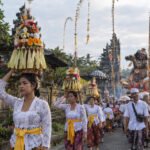
While men often dominate public ceremonial roles, Balinese women are indispensable to cultural preservation. They craft daily offerings, prepare ceremonial foods, and pass down oral traditions to children. Women’s cooperative groups, known as Sekaa, organize community events, textile weaving, and traditional cooking practices. Their tireless, often unseen labor forms the emotional and spiritual backbone of Balinese households, proving that culture thrives through everyday domestic devotion as much as grand public rituals.
Youth and Modern Balinese Identity
As Bali navigates tourism growth and globalization, younger generations face the challenge of balancing modernity with tradition. Encouragingly, many young Balinese actively engage in cultural preservation—joining dance troupes, learning traditional music, or participating in banjar responsibilities alongside pursuing modern careers. Social media has even become a tool for cultural promotion, with young creators showcasing ceremonies, crafts, and rituals to global audiences, ensuring Balinese identity remains visible and relevant in a rapidly changing world.
Expat and Tourism Influence: A Complex Cultural Exchange
Foreign residents and long-term visitors have undeniably influenced Bali’s cultural landscape, particularly in areas like Canggu and Ubud. While this exchange brings economic opportunities, local communities remain vigilant about protecting sacred customs from excessive commercialization. Many villages enforce strict rules regarding temple etiquette, dress codes, and ceremonial participation, reflecting a community-wide commitment to cultural respect over profit. This delicate balance between openness and preservation defines much of Bali’s contemporary social dynamic.