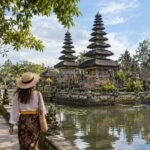


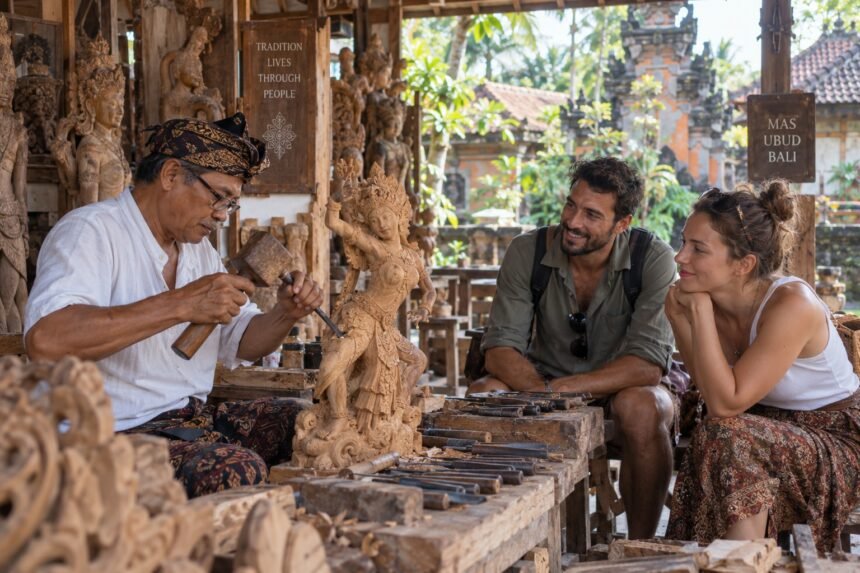
Bali is often called the Island of the Gods, but its true magic lies in the people who call it home. Behind every rice terrace, temple gate, and beachside warung is a story waiting to be told. Local artisans carve centuries of tradition into wood, chefs blend ancestral recipes with modern flavours, and artists paint the island’s spiritual rhythm onto canvas. For travellers willing to slow down and listen, Bali’s communities offer more than postcard views—they offer wisdom, resilience, and warmth. This blog explores the personal stories, crafts, and cultural heritage that make Bali unforgettable.
The Wood Carvers of Mas Village
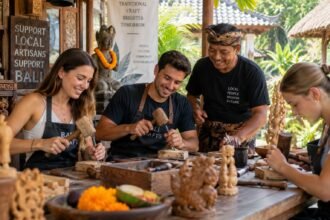
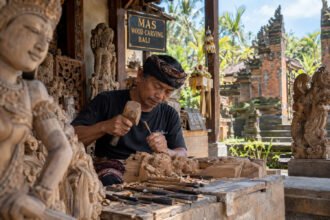
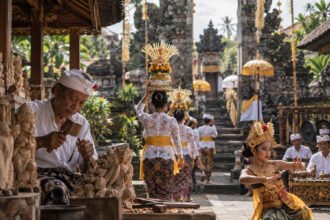
In the village of Mas, near Ubud, generations of families have carved wood into deities, dancers, and mythical creatures. Elderly carvers often explain that each piece begins with a prayer, not a plan. They believe the spirit of the wood guides their hands, and rushing the process disrespects that spirit. Younger artisans, many trained since childhood, now blend traditional Balinese motifs with contemporary designs to appeal to global buyers while preserving sacred symbolism. Travellers who visit these workshops often leave with more than a souvenir—they leave with an understanding of patience, devotion, and the belief that art is a form of worship rather than mere craftsmanship.
Weavers Preserving Ancient Textile Traditions
In villages like Tenganan and Sideman, women weave intricate ikat and songket textiles using techniques passed down through countless generations. The process can take weeks or months, involving hand-dyeing threads with natural pigments extracted from roots, bark, and leaves. Weavers frequently share how each pattern carries meaning—some symbolize protection, others represent fertility or spiritual balance. Many women describe weaving as meditative, a rhythmic practice connecting them to their mothers and grandmothers. As mass production threatens traditional textiles worldwide, these communities are determined to keep the craft alive, often inviting visitors to try the loom themselves and feel the discipline required firsthand.
Balinese Chefs and the Philosophy of Food
Food in Bali is never just sustenance; it’s spiritual expression. Local chefs often explain that cooking begins with offerings to the gods before a single ingredient touches the pan. Traditional dishes like babi guling, lawar, and sayur urab are prepared with techniques refined over decades, using spice pastes ground by hand rather than machine. Many home-based chefs running small warungs share how their recipes were taught by mothers and grandmothers, with no written instructions—only observation and practice. Cooking classes across Ubud and Sanur give travellers a chance to learn these stories directly, understanding that a Balinese meal is essentially a form of storytelling on a plate.
Painters of Ubud: Where Spirituality Meets Canvas
Ubud’s art scene is deeply rooted in spiritual expression. Painters here often describe their work as a dialogue with nature and the divine, rather than a purely commercial pursuit. The Young Artists Movement, which emerged decades ago, transformed simple village life into vibrant, dreamlike depictions of rice fields, temples, and daily rituals. Contemporary Balinese painters continue this legacy, using bold colours to portray harmony between humans, nature, and the unseen world. Visiting a local gallery often means meeting the artist directly, hearing how their inspiration comes from temple ceremonies, family traditions, or simply watching sunlight move across paddy fields at dawn.
Fishermen and the Rhythm of the Sea
Along Bali’s coastal villages, fishermen share stories shaped by unpredictable tides and generations of maritime knowledge. Many still use traditional outrigger boats called jukung, painted in bright colours and believed to carry protective spirits. Fishermen often describe reading the ocean through subtle signs—wind direction, bird movement, and moon phases—skills learned from fathers rather than textbooks. Climate change and modern fishing competition have made their livelihood harder, yet many remain committed to sustainable practices passed down through their ancestors. Travellers who join early morning fishing trips often walk away with a newfound respect for the sea’s unpredictable rhythm and the courage required to depend on it daily.
Temple Priests and the Guardians of Ritual
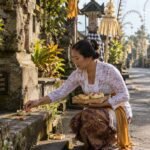
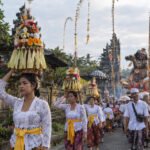
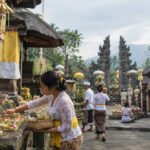
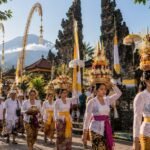
No story of Bali is complete without its spiritual custodians. Temple priests, known as pemangku, play a central role in daily and ceremonial life. They often share how their responsibilities are inherited rather than chosen, requiring years of study in mantras, offerings, and ritual conduct. Many describe their role as a bridge between the physical and spiritual worlds, ensuring balance through daily prayers and elaborate ceremonies. Travellers who witness a temple ritual, even briefly, often sense the deep devotion embedded in every gesture. These encounters reveal that Balinese spirituality isn’t performative for tourism—it’s a living, breathing part of everyday existence.
Farmers of the Subak Irrigation System
Bali’s rice terraces are more than scenic backdrops; they represent a UNESCO-recognized cooperative farming system called Subak. Farmers explain that water isn’t just a resource—it’s shared responsibility guided by Hindu philosophy, ensuring fairness among all rice growers. Elders often describe how community meetings determine water distribution, blending agricultural practicality with spiritual belief. Younger farmers, inspired by sustainability movements, are now merging traditional Subak wisdom with organic farming techniques. Walking through Jatiluwih or Tegalalang, travellers frequently hear how farming here isn’t solitary labour but a deeply communal act, reflecting Bali’s core philosophy of Tri Hita Karana—harmony between humans, nature, and the divine.
Why These Stories Matter to Travellers
These interactions offer travellers something deeper than sightseeing. They provide insight into resilience, spirituality, and craftsmanship shaped by centuries of tradition. Listening to a wood carver’s prayer, a weaver’s patience, or a fisherman’s respect for the sea transforms a simple vacation into a meaningful cultural exchange. Supporting these artisans and storytellers also contributes directly to preserving Bali’s cultural identity amid rapid tourism growth, ensuring these traditions continue for future generations.
Conclusion
Bali’s true charm isn’t found only in its beaches or temples—it’s found in the voices of its people. From wood carvers and weavers to chefs, painters, fishermen, and farmers, each community carries stories shaped by devotion, resilience, and heritage. These narratives connect travellers to a deeper understanding of Balinese life, encouraging mindful and respectful tourism. By engaging with local artisans and listening to their journeys, visitors don’t just witness Bali—they become part of its living story. This human connection is what transforms a trip into a truly unforgettable experience, long after the journey ends.
Frequently Asked Questions
Why do Balinese artisans consider their craft spiritually significant?
Balinese artisans believe their craft connects them to ancestors and the divine. Wood carving, weaving, and painting are seen as sacred expressions rather than commercial work.
How can traveller respectfully engage with Bali’s local communities?
Traveller should show genuine interest, ask permission before photographing rituals, support local businesses directly, and approach cultural practices with humility rather than treating them as mere entertainment.
What makes Balinese cooking different from other culinary traditions?
Balinese cooking involves spiritual offerings before preparation, hand-ground spice pastes, and recipes passed orally through generations, making each dish a reflection of cultural and familial heritage.