

Bali has always drawn travelers with its beaches, temples, and rice terraces. But today, a quieter transformation is unfolding across the island — led not by big resort chains, but by young Balinese entrepreneurs. From surf-guide startups to farm-to-table cafés, this new generation is reshaping tourism into something more personal, sustainable, and rooted in local culture. They are artisans reviving traditional crafts, chefs reinventing Balinese cuisine, and artists turning heritage into modern expression. Their work is proving that Bali’s future in travel doesn’t have to mean choosing between authenticity and growth — it can offer both, one small business at a time.
A New Generation Takes the Wheel
For decades, Bali’s tourism economy was largely shaped by outside investors and large-scale developers. Today, a shift is visible in the island’s side streets and villages, where young locals are opening boutique guesthouses, eco-tour companies, and creative studios instead of working solely for foreign-owned businesses. Many of these entrepreneurs grew up watching mass tourism transform their hometowns and are now choosing a different path — one that blends income generation with cultural preservation. They are digitally savvy, often self-taught in marketing and hospitality, and deeply committed to keeping profits and decision-making within their own communities.
Artisans Reviving Traditional Craft
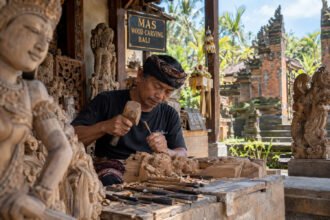
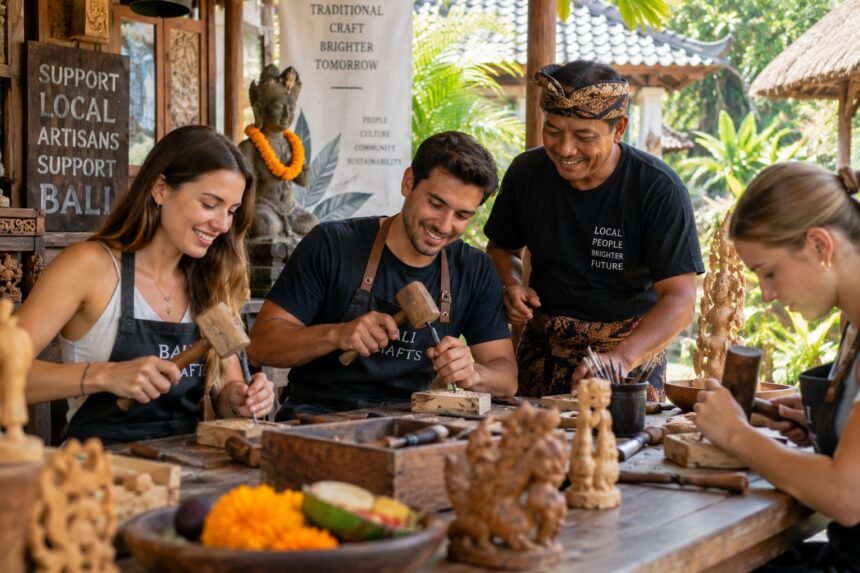
Bali’s artisanal traditions — wood carving, silver jewelry making, batik dyeing, and traditional weaving — were once at risk of fading as younger generations moved toward tourism-service jobs. Now, many young craftspeople are merging both worlds. Instead of abandoning inherited skills, they are packaging them into experiences travelers actively seek: workshops where visitors learn to carve a small wooden mask, dye their own batik scarf, or shape silver into a ring under a local artisan’s guidance. This shift does more than generate income; it gives centuries-old skills renewed relevance and value in the eyes of both locals and visitors, ensuring these crafts are not simply museum pieces but living, evolving trades passed down with pride.
Chefs Reinventing Balinese Cuisine
Food has become one of the most exciting fronts of this entrepreneurial wave. Young Balinese chefs are moving beyond the familiar nasi goreng and satay served at tourist resorts, instead digging into regional recipes from their grandmothers’ kitchens and presenting them with contemporary techniques. Farm-to-table cafés sourcing ingredients from nearby organic farms have become common in areas like Ubud and Canggu, often run by chefs who trained abroad but chose to return home to build something meaningful. These entrepreneurs are not just feeding tourists; they are educating them, hosting cooking classes, spice-market tours, and tasting menus that tell the story of Balinese Hindu ceremonies, regional dialects, and family traditions through food.
Artists Bridging Heritage and Modern Expression
Bali’s artistic identity has long been tied to its temples, dance, and traditional painting styles. A new wave of young artists is now blending these roots with contemporary mediums — street art, digital illustration, sculpture installations, and mixed-media exhibitions. Independent galleries and creative collectives, often self-funded, are popping up in art hubs, giving emerging talent a platform outside traditional patronage systems. These spaces also attract a different kind of traveler: one interested in cultural depth rather than souvenir shopping. By curating exhibitions that reflect both ancestral symbolism and modern social commentary, these young creatives are redefining what “Balinese art” means to a global audience, while insisting it remain grounded in local meaning rather than tourist expectation.
Sustainable and Community-Centered Tourism Models
A defining trait among this generation of entrepreneurs is their emphasis on sustainability — not as a marketing buzzword, but as an operational principle. Many young-owned businesses actively limit group sizes, partner with local farmers instead of importing goods, use eco-friendly building materials, or dedicate a portion of profits to village infrastructure and environmental cleanup projects. Some have founded cooperatives that pool resources among small operators, allowing them to negotiate better terms with booking platforms and travel agencies without giving up ownership. This community-first approach stands in contrast to the extractive tourism models of the past, offering a blueprint where growth benefits the neighborhood, not just the balance sheet.
Challenges Along the Way
This entrepreneurial rise hasn’t been without obstacles. Access to capital remains difficult, as traditional banks often favor established businesses over first-time founders. Competition with well-funded international chains, rising land prices driven by foreign investment, and the need to balance modern business practices with religious and cultural obligations all add complexity. Yet many young entrepreneurs are finding creative solutions — crowdfunding, community lending circles, and collaborations with like-minded peers — to stay independent and true to their vision, even when the odds favor bigger players.
Why This Matters for Travelers
For visitors, this shift means richer, more meaningful travel experiences. Instead of generic resort stays, tourists can now choose to eat at a chef-owned warung rooted in family recipes, buy jewelry directly from the artisan who made it, or join an art walk curated by a local creative collective. This not only supports the local economy directly but also gives travelers a deeper understanding of Balinese culture beyond postcard imagery. Choosing these smaller, youth-led businesses often means a more authentic, sustainable, and memorable trip.
Conclusion
Young Balinese entrepreneurs are proving that tourism doesn’t have to come at the cost of culture or community. Through craft revival, innovative cuisine, contemporary art, and sustainability-focused business models, they are reshaping the island’s travel industry from the ground up. Their work reflects a broader global shift toward mindful, locally rooted travel — one where visitors leave with more than photographs, and communities retain ownership of their own story. As this generation continues to grow their ventures, Bali’s tourism future looks less like a resort brochure and more like a living, evolving culture shaped by the very people who call the island home.
Frequently Asked Questions
What industries are young Balinese entrepreneurs most active in currently?
They are mainly active in artisanal crafts, farm-to-table dining, sustainable tourism, boutique hospitality, and contemporary art, blending traditional skills with modern business practices.
How do these entrepreneurs support sustainable tourism in Bali?
They limit visitor numbers, source locally, use eco-friendly materials, and reinvest profits into community projects, prioritizing long-term environmental and cultural preservation over rapid growth.
Why should travelers support youth-led Balinese businesses while visiting?
Supporting these businesses keeps tourism revenue within local communities, preserves traditional skills, and offers travelers more authentic, culturally immersive experiences than typical resort-based tourism.