

Mention Bali, and most people picture packed beaches in Kuta or the buzzing cafés of Ubud. While these spots earn their fame, the Island of the Gods holds far more than its postcard highlights. Beyond the tourist trail lie quiet villages, untouched coastlines, and cultural treasures still waiting to be discovered. If you’re craving a trip that feels personal rather than crowded, it’s time to look past the usual checklist. This guide uncovers Bali’s lesser-known corners, proving that the island’s true magic often hides just off the beaten path.
- Why Venture Beyond Bali’s Popular Tourist Spots?
- Sidemen Valley: Bali’s Quiet Answer to Ubud
- Munduk: Misty Mountains and Waterfall Trails
- Amed: A Fishing Village with a Slower Pace
- Tirta Gangga and the Water Palaces of Karangasem
- West Bali National Park: Wildlife and Untouched Coastline
- Nusa Penida’s Hidden Corners
- Practical Tips for Exploring Bali’s Hidden Gems
Why Venture Beyond Bali’s Popular Tourist Spots?
Bali’s mainstream destinations are popular for good reason, but heavy tourism has changed their character. Traffic jams near Seminyak, overcrowded sunset points in Uluwatu, and commercialized rice terraces in Tegalalang can dilute the very charm visitors seek. Exploring beyond these areas offers three clear advantages: fewer crowds, more affordable experiences, and genuine interactions with local culture. Villages tucked into the highlands or along quieter shorelines still move at their own unhurried pace, giving travelers a rare glimpse of everyday Balinese life untouched by mass tourism.
Sidemen Valley: Bali’s Quiet Answer to Ubud
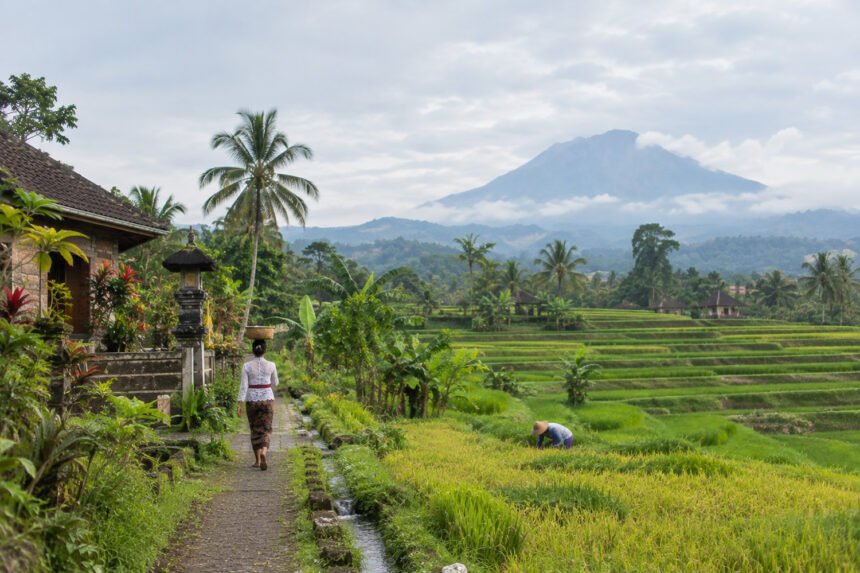
Long before Ubud became a wellness capital, Sidemen Valley was already offering the same lush rice terraces, cool mountain air, and artistic heritage—minus the crowds. Located in East Bali, this valley sits in the shadow of Mount Agung and is known for handwoven songket textiles, family-run guesthouses, and terraced fields that ripple down the hillsides like green staircases.
Walking trails here wind past working farms where locals are happy to explain traditional irrigation systems, or subak, recognized by UNESCO for their cultural significance. Sidemen is ideal for travelers who want the “Ubud experience” of a decade ago: slower mornings, home-cooked meals, and views that stretch uninterrupted to the horizon.
Munduk: Misty Mountains and Waterfall Trails
In the cooler highlands of North Bali, Munduk offers a dramatically different landscape from the island’s sun-soaked beaches. Coffee and clove plantations blanket the hills, and mist often rolls through the valley in the early morning, creating an almost otherworldly atmosphere.
The village serves as a base for waterfall hikes, including Munduk Waterfall and the twin cascades of Sekumpul, one of Bali’s most breathtaking yet under-visited natural wonders. Nearby, the twin lakes of Buyan and Tamblingan reflect the surrounding forest like mirrors, offering peaceful spots for canoeing or simply sitting in silence. Munduk rewards travelers willing to trade beach towels for hiking boots.
Amed: A Fishing Village with a Slower Pace
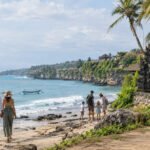
While Bali’s southern coast draws surfers and sunbathers, the northeastern village of Amed remains refreshingly low-key. Traditional outrigger fishing boats, known as jukung, still line its black volcanic sand beaches each morning, a scene largely unchanged for generations.
Amed is a haven for snorkelers and divers, thanks to calm waters and the nearby USS Liberty shipwreck in neighboring Tulamben. Coral gardens just offshore make for excellent introductory dives, while the laid-back atmosphere suits travelers looking to unwind without the nightlife of Kuta or Canggu. Sunrise views of Mount Agung from Amed’s coastline are also considered among the most striking on the island.
Tirta Gangga and the Water Palaces of Karangasem
History and design enthusiasts should not miss Karangasem Regency, home to Bali’s royal water palaces. Tirta Gangga, built in the 1940s by the last king of Karangasem, features ornate stone carvings, koi-filled pools, and fountains set against a backdrop of rice paddies.
A short distance away, Taman Ujung offers a similarly regal experience, with grand pavilions surrounded by reflective pools and mountain views. Both sites are far less crowded than Bali’s more famous temples, allowing visitors to explore at a relaxed pace while appreciating the intricate architecture and royal history behind them.
West Bali National Park: Wildlife and Untouched Coastline
For nature lovers, West Bali National Park (Taman Nasional Bali Barat) offers a side of the island rarely seen by tourists. This protected reserve spans savanna, mangrove forests, and coral reefs, home to rare species including the critically endangered Bali starling.
Trekking through the park with a local guide reveals deer, wild boar, and an impressive array of birdlife, while nearby Menjangan Island boasts some of Bali’s best-preserved coral reefs for snorkeling and diving. Because access requires permits and guides, the park remains blissfully uncrowded, making it perfect for travelers who prioritize conservation and quiet exploration over convenience.
Nusa Penida’s Hidden Corners
Nusa Penida has grown popular for Kelingking Beach and Angel’s Billabong, but the island’s eastern and southern edges remain largely overlooked. Atuh Beach, with its dramatic cliffs and turquoise water, offers scenery comparable to the island’s famous spots without the crowds of Instagram photographers.
Inland, Peguyangan Waterfall requires a steep descent down cliffside stairs but rewards visitors with a rare waterfall that flows directly into the ocean. Renting a scooter and exploring the island’s less-mapped roads often leads to empty viewpoints and traditional villages where daily life continues undisturbed by tourism.
Practical Tips for Exploring Bali’s Hidden Gems
- Rent a scooter or hire a driver: Many hidden spots are only accessible by road, and public transport is limited in rural areas.
- Bring cash: Smaller villages often lack ATMs or card payment options.
- Respect local customs: Dress modestly at temples and ask permission before photographing locals or ceremonies.
- Travel in the dry season: April to October offers the best conditions for hiking and waterfall visits.
- Support local businesses: Choose homestays and family-run warungs to contribute directly to village economies.
- Start early: Sunrise hikes and waterfall visits are best before midday crowds and heat set in.