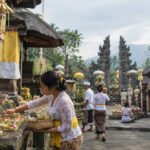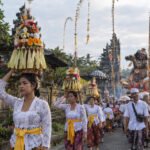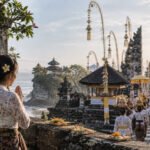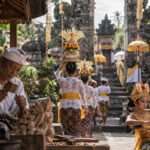


Bali is more than a postcard of rice terraces and beach sunsets. It is an island where every temple carries a legend, every village has its own craft, and every meal tells a story passed down through generations. Beyond the crowded tourist strips, there is a quieter, richer Bali waiting to be explored. This blog takes you beyond the usual checklist and into the destinations, traditions, and experiences that genuinely capture the island’s soul — the ones worth slowing down for, listening to, and remembering long after your trip ends.
Ubud: The Cultural Heartbeat of Bali
No conversation about authentic Bali begins anywhere but Ubud. Surrounded by emerald rice paddies and dense forest, Ubud has long been considered the island’s spiritual and artistic core. It is home to generations of painters, wood carvers, and dancers who have kept Balinese traditions alive despite the pull of modern tourism.
Wander through the Ubud Art Market in the early morning, before the crowds arrive, and you will see artisans setting up handwoven baskets, batik textiles, and intricately carved masks used in traditional dance performances. Visit the Sacred Monkey Forest Sanctuary not just for the mischievous macaques, but for the moss-covered temples hidden within, believed to protect the village from negative spirits. In the evenings, a traditional Kecak fire dance performance offers a glimpse into Hindu-Balinese mythology, told through rhythmic chanting and dramatic firelight rather than instruments.
Uluwatu: Clifftop Drama and Ancient Devotion
Perched on a limestone cliff nearly seventy metres above the Indian Ocean, Uluwatu Temple is one of Bali’s six key spiritual pillars, built to guard the island from sea-based evil spirits. The temple’s dramatic setting alone makes it worth the visit, but staying past sunset transforms the experience entirely. As the sky turns amber, a Kecak dance unfolds on an open-air stage overlooking the ocean, retelling the Ramayana epic through fire and chorus.
Beyond the temple, Uluwatu has quietly become a haven for surfers and cliffside café culture. Hidden beach coves like Padang Padang and Suluban require a short scramble down rocky paths, rewarding visitors with turquoise water largely undisturbed by mass tourism.
Nusa Penida: Bali’s Untamed Neighbour
A short boat ride from Sanur brings you to Nusa Penida, an island that feels a decade behind Bali’s mainland development — and that is exactly its charm. Towering cliffs at Kelingking Beach resemble a dinosaur’s silhouette against the ocean, while Angel’s Billabong and Broken Beach reveal natural rock pools carved by centuries of tidal force.
What makes Nusa Penida special isn’t just its geography but its rhythm of life. Local fishing villages still follow traditional Balinese customs largely untouched by resort culture. Visiting during a local ceremony, if invited respectfully, offers a rare window into daily spiritual practice rather than a staged tourist show.
The Untold Side: Local Stories Worth Hearing
Bali’s real charm often lies in stories rather than sights. Ask a local guide about Tri Hita Karana, the Balinese philosophy of harmony between humans, nature, and the divine, and you will start noticing it everywhere — in the placement of temples, the design of rice terraces, and even daily offerings called canang sari left outside homes and shops each morning.
These small woven-palm offerings, filled with flowers, rice, and incense, are not decorative props for tourists. They are daily acts of gratitude and balance, repeated by families for generations. Understanding this ritual transforms how visitors see the island — not as a backdrop, but as a living, breathing culture with its own quiet rhythm.
Villages like Penglipuran, often called one of the cleanest and most traditional villages in Bali, preserve ancestral Balinese architecture and communal living structures. Walking through its uniform gateways and bamboo groves feels like stepping into a version of Bali that existed long before international flights arrived.
Tirta Empul: Ritual, Water, and Renewal
Few experiences in Bali are as personal as the purification ritual at Tirta Empul Temple. Built around a natural spring believed to have healing properties, this temple invites visitors to participate in melukat, a cleansing ritual involving submerging under specific water spouts while offering prayers.
While tourists are welcome to join, it is worth approaching this experience with respect rather than as a photo opportunity. Dressing modestly, following local etiquette, and understanding the spiritual weight behind the ritual make the experience far more meaningful than treating it as another stop on an itinerary.
Food as a Cultural Experience, Not Just a Meal
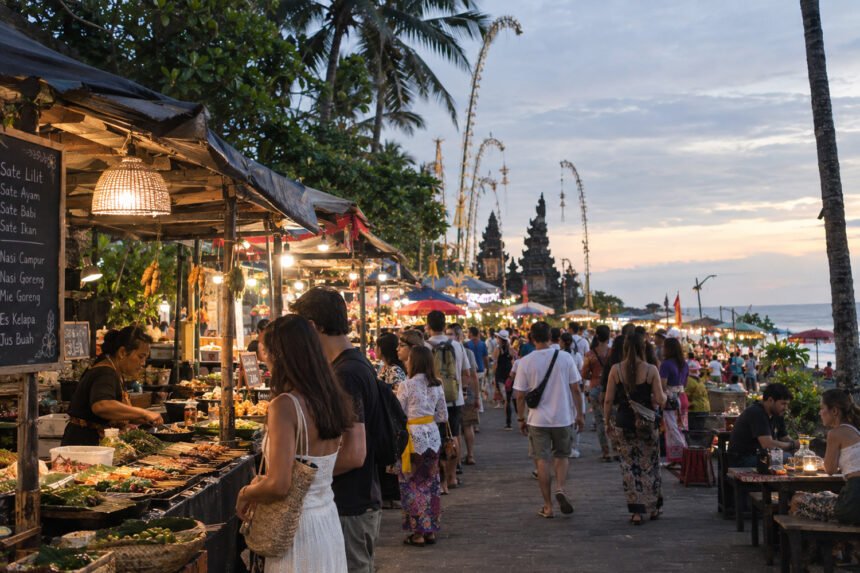
Balinese cuisine deserves attention as its own storytelling medium. Dishes like babi guling (spit-roasted pig) are traditionally prepared for ceremonies and community gatherings, not casual dining. Sate lilit, minced spiced meat wrapped around lemongrass stalks, reflects the island’s resourcefulness and love for aromatic spices.
Rather than only visiting restaurants, consider joining a local cooking class in a family compound, where recipes are taught the way they have been passed down — without exact measurements, guided instead by instinct and memory. These experiences connect food to family, ceremony, and identity in a way no restaurant menu can fully capture.
Sidemen Valley: The Bali Before Tourism
While Ubud draws the crowds, Sidemen Valley remains one of Bali’s most understated regions. Framed by Mount Agung and layered rice terraces, Sidemen offers a slower pace of travel, ideal for those wanting to witness farming life, traditional weaving practices, and unspoiled landscapes without competing for the perfect photo spot.
Local weavers in the region still produce endek and songket textiles by hand, a practice requiring weeks of meticulous work. Watching this process, and understanding the patience behind it, adds depth to what might otherwise be seen as simply a beautiful fabric.