

Bali is more than golden beaches and emerald rice terraces — it’s an island that comes alive after dark, one sizzling satay stick and one glowing lantern at a time. From bustling night markets tucked into narrow village lanes to grand culinary festivals celebrating Indonesian heritage, Bali events offer travelers a delicious way to connect with local culture. Whether you’re chasing the smoky aroma of grilled seafood in Jimbaran or dancing through a street food carnival in Ubud, this guide walks you through the island’s most vibrant food-focused gatherings and why they deserve a spot on your travel itinerary.
Why Bali’s Food Culture Deserves the Spotlight
Balinese cuisine is a sensory experience shaped by centuries of tradition, Hindu ritual, and Indonesian spice trade influence. Dishes like babi guling (suckling pig), lawar (spiced vegetable and meat mix), and sate lilit (minced satay wrapped around lemongrass stalks) aren’t just meals — they’re stories passed down through generations. This deep-rooted culinary identity is exactly why Bali events centered around food have grown so popular among both locals and international visitors. These gatherings aren’t staged for tourists alone; they’re authentic extensions of daily life, community celebration, and religious observance, giving travelers a genuine window into how Balinese people eat, cook, and gather.
Night Markets: The Heartbeat of Local Bali Life
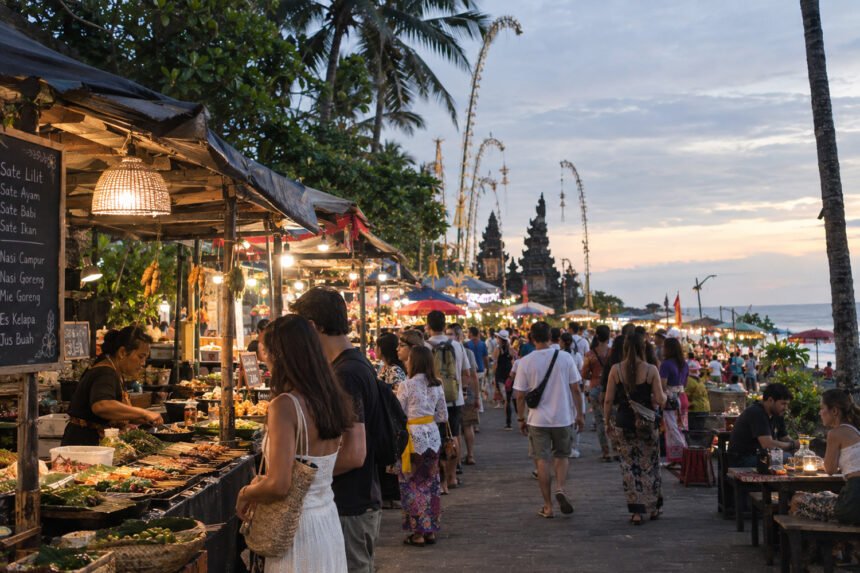
If you want to understand everyday Bali, skip the resort buffet and head to a night market instead. Locally known as “pasar malam,” these markets pop up in towns across the island once the sun sets, transforming ordinary streets into food lovers’ paradises.
Gianyar Night Market
Widely regarded as one of the best food markets on the island, Gianyar Night Market has been serving locals for decades. Rows of stalls sell everything from crispy-skinned duck to fresh jajan pasar (traditional sweets), all at prices that rival anywhere in Southeast Asia. It’s an unfiltered, authentic experience — and one of the most rewarding Bali events for anyone wanting to eat like a local.
Kumbasari Night Market, Denpasar
Set along the Badung River in Bali’s capital, this market blends shopping with street food, offering a livelier, more urban vibe. Expect sizzling woks, fresh tropical juices, and vendors calling out their specialties as the evening crowd thickens.
Sanur Night Market
A favorite among both residents and visitors, Sanur’s market combines convenience with variety — think Balinese classics alongside Indonesian regional dishes, all easily accessible for those staying near the coast.
Night markets are typically free to explore, budget-friendly, and open nightly, making them one of the most accessible Bali events for spontaneous travelers who don’t want to plan too far ahead.
Culinary Festivals That Celebrate Bali’s Food Heritage
Beyond nightly markets, Bali hosts larger, scheduled festivals dedicated entirely to food, drink, and culinary artistry. These events draw chefs, producers, and food enthusiasts from across Indonesia and beyond.
Ubud Food Festival
Arguably the island’s most celebrated culinary event, the Ubud Food Festival brings together renowned chefs, home cooks, and food historians for a multi-day celebration of Indonesian gastronomy. Cooking demonstrations, tasting sessions, panel discussions, and pop-up dining experiences fill the schedule, all set against Ubud’s lush, artistic backdrop. For travelers interested in more than just eating — those who want to understand the “why” behind the dish — this is one of the standout Bali events of the year.
Bali Coffee Festival
Coffee lovers won’t want to miss this celebration of Indonesian coffee culture, particularly the island’s famous Kintamani-grown beans. Cupping sessions, barista competitions, and farm-to-cup storytelling make this festival a must for anyone curious about Bali’s booming specialty coffee scene.
Sanur Village Festival
Combining food with art, music, and community spirit, the Sanur Village Festival includes a strong culinary component featuring local vendors, cooking competitions, and communal feasts. It’s a wonderful example of how Bali events often weave food into a broader cultural celebration rather than treating it as a standalone attraction.
Bali Wine and Culinary Festival
As Bali’s local wine and spirits industry grows, so does interest in pairing regional produce with island-made beverages. This festival showcases the evolving relationship between Balinese agriculture and modern gastronomy, appealing to travelers with a more refined palate.
Seasonal and Religious Food Celebrations
Some of the most meaningful culinary experiences in Bali aren’t festivals in the commercial sense at all — they’re deeply tied to Hindu-Balinese religious calendars.
Galungan and Kuningan
During these important holidays, families prepare elaborate offerings and feasts, and many villages hold communal cooking sessions. While not tourist events by design, travelers who happen to visit during this period will notice an island-wide atmosphere of celebration, with food stalls and home kitchens working overtime.
Nyepi (Day of Silence) and the Feast Before
The day before Nyepi, Bali erupts into the Ogoh-Ogoh parade, followed by festive meals shared among family and neighbors before the island falls completely silent for 24 hours. Understanding this rhythm helps travelers appreciate that Bali events aren’t only curated for visitors — many are woven into the island’s spiritual fabric.
Tips for Enjoying Bali’s Food Events Like a Local
- Go hungry, but go slow. Night markets and festivals offer so much variety that pacing yourself ensures you can sample more without overloading on one dish.
- Bring cash. Many smaller vendors at traditional markets don’t accept cards.
- Ask questions. Vendors and local attendees are often happy to explain unfamiliar dishes, ingredients, or preparation methods.
- Check festival calendars in advance. Many of Bali’s largest culinary events happen annually but on shifting dates, so a quick search before booking your trip ensures you don’t miss out.
- Respect local customs. If attending a religious food celebration, dress modestly and follow the lead of local participants.
Planning Your Trip Around Bali’s Food Calendar
For travelers who want their vacation to double as a cultural deep-dive, timing a visit around one of Bali’s culinary events can transform an ordinary holiday into an unforgettable one. Whether it’s the sensory overload of a crowded night market or the curated elegance of a chef-led festival, these experiences reveal a side of Bali that goes far beyond postcard scenery. Researching upcoming Bali events before you book flights can help you build an itinerary centered on food, flavor, and genuine cultural immersion rather than just sightseeing.