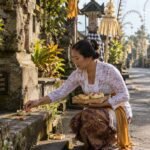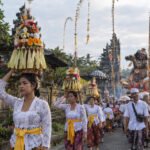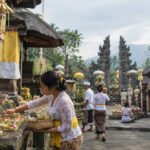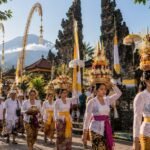


Bali is often celebrated for its golden shores and turquoise waters, but the island’s true soul lies in its vibrant cultural calendar. Beyond the surf breaks and sunset bars, Bali pulses with centuries-old festivals, spiritual ceremonies, and seasonal celebrations that reveal the deep Hindu-Balinese traditions shaping daily life. From the silence of Nyepi to the colour and chaos of Galungan, these events transform villages into open-air theatres of devotion and joy. For travellers seeking more than a tan, Bali’s festivals offer a rare chance to witness authentic culture, connect with locals, and experience the island’s rhythm in its most genuine form.
Nyepi: The Day of Silence That Speaks Volumes
Few events capture global curiosity like Nyepi, Bali’s Day of Silence, usually falling in March. For 24 hours, the entire island shuts down—no flights, no traffic, no lights, and no noise. Streets fall empty, resorts dim their exteriors, and even tourists are asked to stay indoors. The day before, however, is anything but quiet. Villages parade towering ogoh-ogoh effigies—monstrous papier-mâché sculptures representing evil spirits—through the streets, accompanied by drums, chants, and firelight. Watching these creations burn or be paraded is a visual spectacle, while the silence that follows offers a rare, almost meditative experience unlike anything else in Southeast Asia.
Galungan and Kuningan: Victory of Good Over Evil
Occurring every 210 days according to the Balinese Pawukon calendar, Galungan marks the triumph of dharma (good) over adharma (evil). Streets come alive with penjor—tall, arched bamboo poles decorated with coconut leaves and offerings—lining every roadway. Families dress in traditional attire, temples overflow with intricate offerings, and processions fill the air with gamelan music. Ten days later, Kuningan closes the celebration with ancestral blessings and yellow rice offerings symbolising prosperity. Visiting during this period lets travellers witness Bali at its most decorative and spiritually charged, with nearly every neighbourhood transformed into a canvas of colour and devotion.
Bali Arts Festival: A Month of Culture and Craftsmanship
Held annually from mid-June to July in Denpasar, the Bali Arts Festival (Pesta Kesenian Bali) is a grand showcase of the island’s artistic heritage. Dancers, musicians, sculptors, and painters from across the province gather to perform and exhibit. Expect elaborate dance dramas, traditional textile displays, wood-carving demonstrations, and nightly gamelan orchestras. This festival is particularly appealing for culturally curious travellers, as it condenses Bali’s diverse artistic traditions—often scattered across remote villages—into one accessible, month-long celebration in the capital.
Bali Kite Festival: Skies Full of Colour
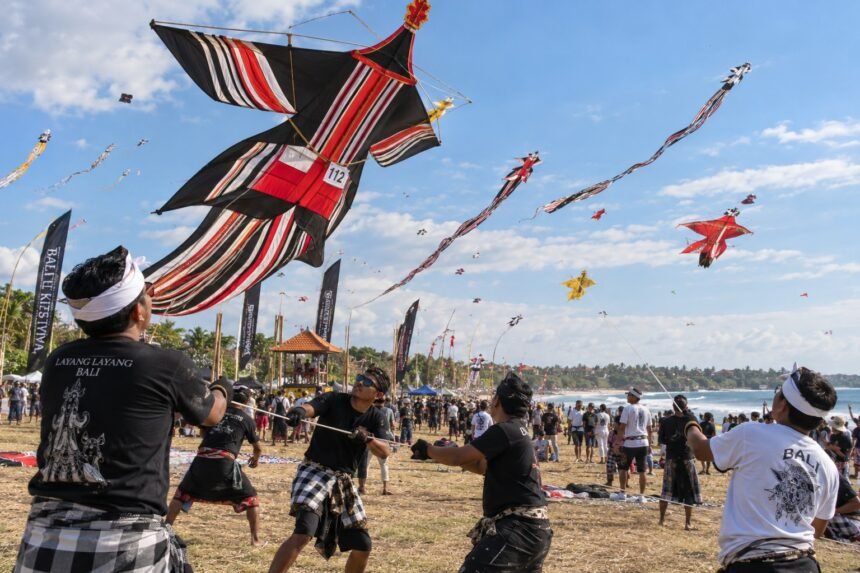
Between July and October, when dry winds sweep across the island, the Bali Kite Festival takes over coastal fields like Padang Galak and Sanur. Villages compete with enormous, hand-crafted kites—some stretching over ten metres—shaped like birds, fish, or mythical creatures. Originally a ritual to communicate with Hindu gods for abundant harvests, the festival has grown into a thrilling community spectacle involving hundreds of participants and spectators. The synchronized launches, competitive spirit, and sheer scale of the kites make it a photographer’s dream and a joyous, family-friendly event.
Ubud Writers and Readers Festival: A Meeting of Minds
For travellers with a literary bent, October brings the Ubud Writers and Readers Festival, one of Asia’s most respected literary gatherings. Set against Ubud’s lush, artistic backdrop, the festival draws authors, poets, and thinkers from around the world for panel discussions, workshops, and storytelling sessions. It’s an intellectual counterpoint to Bali’s beach-party reputation, proving the island is equally a haven for reflection, creativity, and cross-cultural dialogue.
Melasti and Full Moon Ceremonies
Ahead of Nyepi, thousands of Balinese Hindus participate in Melasti, a purification ritual where communities carry sacred temple objects to the sea. Processions of white-clad devotees, accompanied by umbrellas, offerings, and traditional music, create striking scenes along beaches like Kuta and Seminyak. Similarly, Purnama (full moon) ceremonies occur monthly at temples island-wide, with Tirta Empul and Besakih Temple being particularly atmospheric. These recurring rituals, though smaller in scale, offer consistent opportunities for visitors to witness authentic spiritual practice throughout the year.
Nusa Dua Fiesta and New Year Celebrations
Toward the end of the year, the Nusa Dua Fiesta blends cultural performances, culinary showcases, and beachfront entertainment into a festive send-off for the calendar year. Meanwhile, New Year’s Eve across Bali—particularly in Seminyak and Kuta—brings elaborate fireworks displays over the ocean, beach parties, and rooftop celebrations, merging global New Year traditions with Balinese hospitality.
Why Timing Your Trip Around Festivals Matters
Unlike destinations where festivals are occasional add-ons, Bali’s events are deeply woven into daily life, meaning even a short visit can coincide with a meaningful ceremony. Aligning travel plans with the Balinese calendar—rather than just dry or rainy seasons—can dramatically enrich an itinerary, offering cultural immersion that beach time alone cannot provide.
Conclusion
Bali’s beaches may draw the crowds, but its festivals are what truly define the island’s character. From the sacred stillness of Nyepi to the artistic explosion of the Bali Arts Festival, each event offers a window into Balinese spirituality, community, and creativity. These celebrations transform ordinary streets into stages of colour, devotion, and joy, giving travellers memories that outlast any sunset photo. For anyone wanting to experience Bali authentically, planning a visit around its festival calendar isn’t just recommended—it’s essential. Beyond the beach lies a living, breathing culture waiting to be witnessed firsthand.
Frequently Asked Questions
When is the best time to see Bali’s most famous festivals?
March brings Nyepi and its Ogoh-Ogoh parade, while July–October covers the Bali Arts Festival and Kite Festival, offering rich cultural experiences.
Can tourists participate in Balinese ceremonies like Melasti or Galungan?
Yes, tourists can respectfully observe these ceremonies. Dressing modestly, staying quiet during rituals, and following local guidance ensures a respectful, meaningful cultural experience.
Is Bali safe to visit during Nyepi, the Day of Silence?
Yes, it’s safe, though airports close and movement is restricted. Visitors must stay within accommodations, offering a uniquely peaceful, reflective experience island-wide.