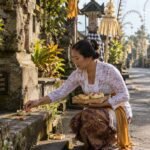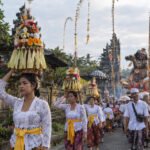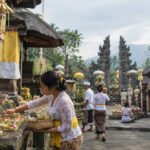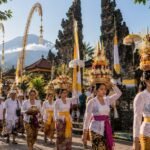


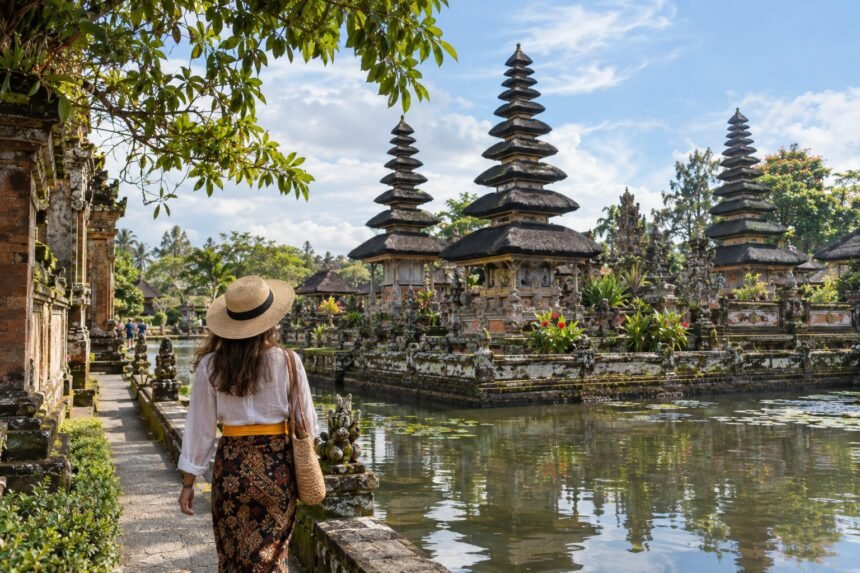
Bali’s architecture tells a story that predates modern tourism by centuries. Every temple gate, thatched roof, and courtyard wall reflects a deep-rooted philosophy connecting nature, spirituality, and community life. Known as Bale and Pura structures, these buildings follow the Balinese concept of Tri Hita Karana—harmony between people, nature, and the divine. Walking through villages and temple complexes here feels like stepping into a living museum, where craftsmanship has been preserved through generations. Whether you’re an architecture enthusiast or a curious traveler, exploring these sites offers a rare glimpse into Bali’s soul. This guide takes you through the island’s most authentic architectural treasures, from ancient temples to traditional villages, each showcasing why Bali remains a masterclass in cultural design.
Penglipuran Village: A Living Blueprint of Balinese Design
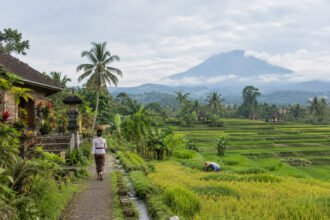
Tucked in the Bangli regency, Penglipuran Village is often called one of the cleanest and most well-preserved traditional villages in Bali. Its layout follows a strict linear design, with nearly identical bamboo-gated homes lining a single main pathway. Each household features a small family temple, a manicured courtyard, and traditional thatched or tiled roofing. Walking through Penglipuran feels almost ceremonial—there’s a rhythm to the architecture that reflects centuries-old zoning principles based on spiritual hierarchy. The village restricts motor vehicles on its main street, letting visitors absorb the atmosphere without distraction. It’s an ideal stop for travelers wanting to understand how everyday Balinese architecture, not just temples, follows deliberate cultural logic.
Pura Taman Ayun: Royal Elegance Surrounded by Water
Located in Mengwi, Pura Taman Ayun was once the main temple of the Mengwi kingdom and remains one of the finest examples of royal Balinese temple architecture. What sets it apart is its moat-like water feature encircling the temple complex, symbolizing the mythical ocean surrounding Mount Meru, the cosmic center in Balinese-Hindu belief. The multi-tiered meru towers, built entirely without nails using interlocking wood joinery, rise dramatically against the surrounding gardens. Unlike more crowded temples, Taman Ayun offers a peaceful setting where visitors can appreciate architectural detail without feeling rushed. The layered courtyards mirror the caste-based spatial hierarchy central to traditional temple design, making it a must-visit for anyone studying Balinese sacred structures.
Pura Besakih: The Mother Temple on Mount Agung’s Slopes
Perched on the slopes of Mount Agung, Pura Besakih isn’t just a single temple—it’s a complex of over twenty separate temples arranged across ascending terraces. This “Mother Temple” represents the pinnacle of traditional Balinese religious architecture, combining volcanic stone construction with intricately carved gateways called candi bentar. The elevation changes as you move through the complex mirror the spiritual ascent toward enlightenment, a concept deeply embedded in Balinese design philosophy. Each terrace houses shrines dedicated to different deities, and the surrounding misty mountain backdrop adds to its otherworldly presence. Because of its religious significance, visitors should dress respectfully and consider hiring a local guide to understand the symbolism behind each structure.
Ubud’s Royal Palace and Surrounding Compounds
Ubud isn’t only Bali’s cultural hub for art and wellness retreats—it’s also home to some remarkable architectural gems. Puri Saren Agung, the Ubud Royal Palace, showcases classic Balinese puri (palace) design with ornate stone carvings, ornamental gates, and open-air pavilions used for traditional dance performances. Wandering through Ubud’s surrounding neighborhoods, you’ll notice residential compounds structured around the same principles as royal architecture, just on a smaller scale. Family temples, communal pavilions, and courtyard layouts appear even in modest homes. Evening performances at the palace, framed by traditional lighting and carved pillars, give travelers a chance to see this architecture actively used rather than simply preserved as a relic.
Tirta Empul: Where Architecture Meets Sacred Water Rituals
Near Tampaksiring, Tirta Empul Temple combines architectural beauty with an active spiritual practice. Built around natural spring water believed to have purifying properties, the temple features a rectangular bathing pool lined with carved stone spouts, each representing different deities. Surrounding pavilions and gateways follow traditional temple construction methods, with layered roofs and intricately patterned stone reliefs. What makes Tirta Empul unique is that it remains functional—locals and visitors alike participate in ritual cleansing ceremonies here. This blend of architecture and living tradition offers a more immersive experience than temples preserved purely for viewing, letting travelers witness how sacred design continues shaping daily spiritual life in Bali.
Klungkung’s Kertha Gosa Pavilion: Justice Meets Artistry
In the town of Semarapura, the Kertha Gosa Pavilion stands as a striking example of Balinese courtly architecture. Originally used as a royal courtroom, this open-sided pavilion features an elaborately painted ceiling depicting scenes from Balinese mythology and moral teachings. The wooden structure, supported by ornately carved pillars, demonstrates how architecture historically served administrative and artistic purposes simultaneously. Unlike temple complexes, this site reveals the secular side of traditional design—how craftsmanship extended into governance and justice. Visitors often overlook Klungkung in favor of more popular destinations, but its architectural and historical depth make it a rewarding, less-crowded stop for those genuinely interested in Bali’s heritage.
Tenganan Pegringsingan: The Ancient Bali Aga Village
For travelers seeking architecture untouched by modern influence, Tenganan Pegringsingan in East Bali offers a rare look into pre-Hindu Balinese design. As a Bali Aga village, its layout follows ancestral customs predating the island’s Hindu-Majapahit influence. Homes are arranged in parallel rows along a central pathway, with communal structures reflecting a strong emphasis on collective village life. The architecture here is simpler, more austere, and deeply symbolic, tied closely to the village’s unique social customs and traditions, including its famous double-ikat weaving. Visiting Tenganan provides valuable architectural contrast to Bali’s more elaborate Hindu temples, showing the diversity within the island’s traditional building heritage.
Conclusion
Bali’s traditional architecture isn’t confined to postcard-famous temples—it’s woven into villages, palaces, pavilions, and everyday homes across the island. From the structured simplicity of Penglipuran to the sacred grandeur of Besakih, each destination reveals a different facet of Balinese design philosophy rooted in spirituality, hierarchy, and community. Exploring these sites offers more than visual beauty; it provides insight into how architecture and culture remain inseparable in Bali. Whether you’re drawn to royal palaces, mountain temples, or ancient villages, planning your itinerary around these architectural landmarks ensures a deeper, more meaningful travel experience—one that goes beyond typical tourist attractions and into the island’s authentic cultural core.
FAQs
Which Bali village best represents traditional Balinese architectural design and layout?
Penglipuran Village in Bangli is widely regarded as the best-preserved example, featuring uniform bamboo gates, courtyard homes, and a traditional linear layout reflecting Balinese spatial philosophy.
Is Pura Besakih accessible to tourists, or is it primarily religious?
Pura Besakih welcomes tourists, but it remains an active religious site. Visitors should dress respectfully, follow guidelines, and ideally hire a local guide for context.
What makes Tirta Empul different from other Balinese temples?
Tirta Empul combines architecture with active spiritual practice, featuring a sacred bathing pool where visitors and locals participate in ongoing ritual purification ceremonies.