

Bali looks effortless on a screen: rice terraces, smoothie bowls, and sunsets that seem staged. But behind the postcards lies a lifestyle shaped by ritual, community, and a gentler relationship with time. Whether you are visiting for a week or dreaming of a longer stay, understanding how people actually live here changes everything. This guide walks through the rhythms of Balinese daily life, the culture that anchors it, the food, the expat scene, and the practical realities few people mention. Read on to discover what the lifestyle of Bali truly feels like, and how to experience it with respect and curiosity.
A Day in Bali Begins With an Offering
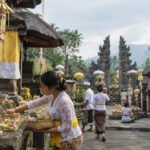
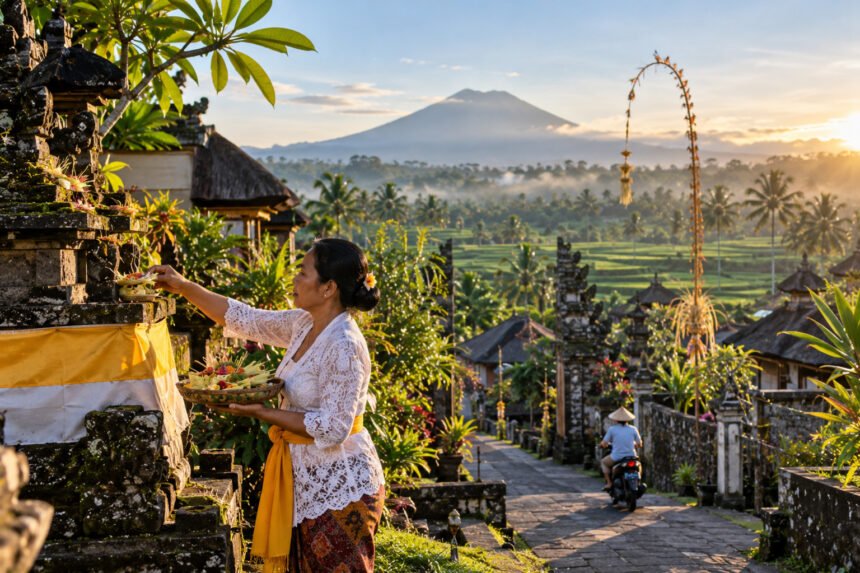
Walk down any Balinese street at sunrise and you will notice small woven palm-leaf trays on doorsteps, shop counters, and car dashboards. These are canang sari, daily offerings of flowers, rice, and incense. Families make them every morning to give thanks and keep harmony between people, nature, and the divine.
This habit says a lot about the island’s philosophy. Most Balinese follow Balinese Hinduism, and the idea of Tri Hita Karana guides everyday decisions. It means three sources of wellbeing: a good relationship with God, with other people, and with the natural world. Even a busy taxi driver will pause to place an offering before starting his shift.
For visitors, the polite response is simple. Step around offerings rather than over them, and never touch them out of curiosity. That small act of awareness is often the first lesson in living the Balinese way.
Community Comes Before Convenience
In much of the West, life revolves around the individual. In Bali, it revolves around the banjar, the neighbourhood council that organises weddings, temple festivals, cremations, and even local cleanups. Almost every adult in a village belongs to one, and showing up when your community needs you is not optional.
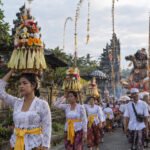
This sense of duty explains why ceremonies seem to happen constantly. Temple anniversaries, tooth-filing rituals, and full-moon prayers fill the calendar, and families often take days off work to prepare. Don’t be surprised if a procession of people in white and gold blocks the road. Patience is part of the experience, and locals will happily share the moment if you smile and give way.
The biggest example is Nyepi, the Day of Silence. For 24 hours, the entire island shuts down: no flights, no lights, no travel. Streets are empty and the night sky is spectacular. It is a rare reminder that a whole society can choose stillness together.
Eating the Balinese Way
Food in Bali is wonderfully layered. Beyond the trendy cafés of Canggu and Ubud, everyday life happens at the warung, a small family-run eatery where a plate of nasi campur (rice with several side dishes) costs very little and tastes like someone’s home cooking.
Local specialties are worth seeking out:
- Babi guling: slow-roasted suckling pig, traditionally served at celebrations.
- Lawar: a mix of vegetables, coconut, and spices, often made for ceremonies.
- Sate lilit: minced seafood or chicken wrapped around lemongrass sticks.
- Bubur injin: a sweet black rice pudding with coconut milk.
Morning markets, such as those in Ubud and Denpasar, show the other side of the food culture. Vendors arrive before dawn with tropical fruit, spices, and fresh flowers. Shopping there with a few polite phrases in Bahasa Indonesia can turn a simple errand into a friendly conversation.
Wellness, Surf, and the Art of Slowing Down
Bali’s reputation as a wellness destination is earned, though the reality is less glamorous than Instagram suggests. Yoga studios and breathwork classes fill Ubud, while surfers chase waves from Uluwatu to Canggu before breakfast. Many residents follow a simple routine: early movement, a long breakfast, focused work, and an unhurried evening.
Traditional wellness is also part of normal life. Balinese massage, herbal jamu tonics, and visits to a balian (traditional healer) have been practised for generations. Locals often treat these as everyday care rather than luxury treatments.
What makes the pace feel different is the attitude toward time. Schedules are flexible, and a delayed meeting is rarely a crisis. Many newcomers find this frustrating at first, then liberating. Once you stop fighting island time, your stress levels tend to follow.
Life as an Expat or Digital Nomad
Over the last decade, Bali has become one of the world’s best-known bases for remote workers. Co-working spaces, reliable fibre internet in popular areas, and a global community make it easy to build a routine. Each area has its own personality:
- Canggu: surf, cafés, and a young, social crowd.
- Ubud: quieter, greener, and focused on art and wellbeing.
- Uluwatu: cliffside views and a more laid-back surf culture.
- Sanur: calm beaches and a slower, family-friendly feel.
Costs can be surprisingly flexible. A modest scooter, a warung lunch, and a simple guesthouse keep spending low, while villas with pools and imported groceries push it up fast. Your lifestyle choices matter more than the island’s price tags.
Before you move, check current visa rules carefully. Indonesia has introduced several long-stay options for remote workers and investors, and the regulations change often. Always confirm details on the official immigration website rather than relying on social media advice.
The Real Challenges Nobody Posts About
Paradise has its friction points. Traffic in the south of the island can be heavy, and a short trip may take far longer than the map suggests. The humidity is constant, the rainy season brings sudden downpours, and plastic waste remains a serious environmental issue, especially after storms.
There is also the question of overtourism. Rapid development has changed some villages and put pressure on water supplies and rice fields. Many Balinese welcome tourism because it supports families, but they also want visitors who respect the island rather than treat it as a backdrop.
The good news is that thoughtful choices help. Carry a reusable bottle, support locally owned businesses, and explore beyond the most crowded beaches. Regions such as Sidemen, Amed, and the northern coast still offer a calmer rhythm.
How to Experience Bali Respectfully
Living like a local does not require moving here. It requires attention. Dress modestly at temples, wearing a sarong and sash when asked. Use your right hand when giving or receiving items. Learn a few words, such as terima kasih (thank you) and selamat pagi (good morning). Ask before photographing ceremonies, and remember that temples are active places of worship, not sets.
Above all, slow down. Sit at a warung for an extra hour, join a local cooking class, or take a village walk with a guide who lives there. The richest moments in Bali rarely appear on a bucket list.
Conclusion
The lifestyle of Bali is far more than beaches and wellness retreats. It is a daily practice of gratitude, community, and balance, wrapped in a landscape that makes slowing down feel natural. Yes, there is traffic, humidity, and the pressure of tourism, but there is also warmth, ritual, and a generosity that stays with you long after you leave. Approach the island with humility, respect local customs, and let it set the pace. Whether you stay for a weekend or a few years, you may find that Bali changes not just where you are, but how you live.
Frequently Asked Questions
How can tourists avoid disrespecting local customs and ceremonies while visiting Bali?
Dress modestly at temples, never step over offerings, ask before taking photos of rituals, and give way to processions. When unsure, watch locals or ask your host politely.
Is Bali affordable for remote workers who want to live there long term?
It can be, if you choose local housing, eat at warungs, and ride a scooter. Villas, imported groceries, and beach-club habits raise monthly costs quickly.
What is the best way to escape crowds and find calmer areas?
Head to Sidemen, Amed, or northern Bali, travel early in the morning, and avoid peak holiday weeks. Staying in smaller villages also gives you quieter, more authentic days.