

Bali is more than just pristine beaches and lush rice terraces—it’s an island where culture pulses through every season. From sacred purification rituals to vibrant arts festivals, Bali’s calendar is dotted with unforgettable celebrations that reveal the true soul of its people. Whether you’re drawn to spiritual ceremonies, colorful parades, or lively cultural showcases, timing your visit around one of these events can transform an ordinary holiday into an extraordinary journey. In this guide, we’ll explore the best seasonal events in Bali, helping you plan a trip that goes beyond sightseeing and into genuine cultural immersion.
- Why Timing Your Bali Trip Around Festivals Matters
- Nyepi: The Day of Silence
- Galungan and Kuningan: Celebrating Good Over Evil
- Bali Arts Festival: A Celebration of Creativity
- Bali Kite Festival: Skies Full of Color
- Bali Spirit Festival: Wellness and Mindfulness
- Melasti: Purification Before Nyepi
- Saraswati Day: Honoring Knowledge
- Tips for Experiencing Bali’s Seasonal Festivals
Why Timing Your Bali Trip Around Festivals Matters
Bali’s festivals aren’t staged for tourists—they’re deeply woven into daily life, rooted in Hindu-Balinese traditions that have survived for centuries. Attending one of these events gives travelers a rare window into local customs, spirituality, and community spirit. Unlike typical tourist attractions, these celebrations are authentic, seasonal, and often tied to the unique Balinese calendar system, which blends lunar cycles with a 210-day Pawukon calendar. This means many festival dates shift each year, so a little research before booking your trip pays off enormously.
Nyepi: The Day of Silence
Perhaps Bali’s most famous and unusual event, Nyepi marks the Balinese New Year and falls in March. The night before, villages erupt into celebration with the making and parading of ogoh-ogoh—giant, fantastical effigies representing evil spirits, crafted by local youth groups over weeks of preparation. These statues are paraded through the streets and often ceremonially burned to drive away negativity.
Then comes the striking contrast: for 24 hours, the entire island falls silent. No flights land or depart, streets are empty, lights are dimmed, and even locals and tourists alike are expected to stay indoors. It’s a day for self-reflection, fasting, and meditation. Witnessing Nyepi offers travelers a profound, almost meditative experience unlike anywhere else in the world.
Galungan and Kuningan: Celebrating Good Over Evil
Occurring every 210 days according to the Pawukon calendar, Galungan celebrates the victory of dharma (good) over adharma (evil). During this ten-day period, Balinese Hindus honor their ancestors, and villages come alive with beautifully decorated bamboo poles called penjor lining every street. These arching decorations, adorned with coconut leaves, flowers, and offerings, create a stunning visual spectacle for visitors.
The celebration culminates in Kuningan, when families offer prayers of gratitude and share festive meals together. Traveling through Bali during Galungan and Kuningan allows visitors to witness elaborate temple ceremonies, traditional dress, and communal warmth that’s rarely seen outside this sacred window.
Bali Arts Festival: A Celebration of Creativity
If you’re visiting between June and July, don’t miss the Bali Arts Festival held in Denpasar. This month-long event showcases the island’s rich artistic heritage through traditional dance performances, gamelan orchestras, intricate craft exhibitions, and colorful parades. Established decades ago to preserve and promote Balinese culture, the festival draws performers and artisans from across the island and beyond.
Visitors can watch classical dances like Legong and Barong performed by masters, browse handmade textiles and woodcarvings, and even participate in workshops. It’s an ideal event for culture enthusiasts wanting a comprehensive taste of Balinese artistry in one location.
Bali Kite Festival: Skies Full of Color
Held annually between June and August, particularly around the Sanur and Padang Galak beach areas, the Bali Kite Festival is a spectacular sight. Local communities compete by flying massive, handcrafted kites—some stretching over ten meters wide—shaped like traditional birds, fish, and mythical figures.
This festival is rooted in agricultural tradition, with kites originally flown to send messages to the gods for bountiful harvests. Today, it’s part sporting competition, part cultural showcase, drawing thousands of spectators who gather to watch teams battle for the best design, height, and stability. The vibrant kites against Bali’s blue skies make for incredible photography opportunities.
Bali Spirit Festival: Wellness and Mindfulness
For travelers seeking a more introspective seasonal event, the Bali Spirit Festival, typically held in Ubud during spring, combines yoga, music, and holistic healing. This week-long gathering attracts wellness practitioners, musicians, and spiritual seekers from around the world.
Attendees can join yoga sessions led by international instructors, dance workshops, sound healing circles, and live world music performances set against Ubud’s jungle backdrop. It’s a fitting event for those wanting to align their Bali trip with rejuvenation and mindfulness rather than typical sightseeing.
Melasti: Purification Before Nyepi
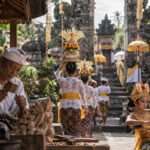
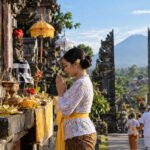
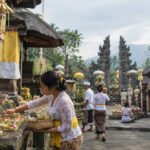
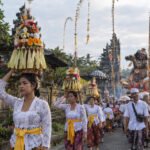
Just days before Nyepi, the Melasti ceremony takes place across Bali’s coastal temples. Thousands of devotees, dressed in white and gold traditional attire, walk in procession carrying sacred temple relics to the sea for ritual cleansing. The purpose is to purify both the sacred objects and the community’s spirit before the new year begins.
Witnessing Melasti is a visually stunning and deeply spiritual experience, with long processions moving toward beaches like Kuta, Sanur, or Padang Galak. The combination of traditional music, incense, and devotional chanting creates an atmosphere unlike any typical beach visit.
Saraswati Day: Honoring Knowledge
Celebrated every 210 days, Saraswati Day honors the Hindu goddess of knowledge, wisdom, and the arts. On this day, Balinese people make offerings to books, manuscripts, and educational materials, believing that knowledge itself is sacred. Schools and libraries hold special ceremonies, and traditional lontar (palm-leaf manuscripts) are displayed and blessed.
This event offers a unique glimpse into how deeply education and spirituality intertwine in Balinese culture, making it a meaningful experience for travelers interested in the island’s intellectual and religious traditions.
Tips for Experiencing Bali’s Seasonal Festivals
To make the most of your festival-timed trip, keep these tips in mind:
- Check the Balinese calendar in advance, as many events follow the lunar or Pawukon system rather than the standard Gregorian calendar, meaning dates shift yearly.
- Book accommodations early, especially during Nyepi and the Bali Arts Festival, when demand spikes significantly.
- Dress respectfully when attending temple ceremonies—sarongs and sashes are often required.
- Be mindful during Nyepi, as strict rules apply to tourists as well, including no travel, noise, or lights after dark.
- Hire a local guide if possible, as they can provide cultural context and help you navigate crowded festival areas respectfully.