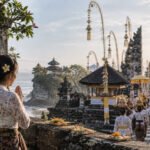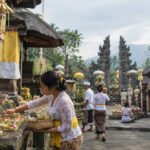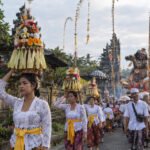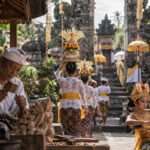


Bali is far more than pristine beaches and postcard sunsets. Beneath its tropical charm lies a living tapestry of temples, rituals, and artistry passed down through centuries. Today, travelers seeking more than relaxation are discovering a new way to experience the island: through luxury heritage tourism. This approach pairs opulent accommodations with genuine cultural immersion, allowing guests to witness ceremonies, explore royal palaces, and savor traditional cuisine without sacrificing comfort. In this blog, we explore how Bali seamlessly merges indulgence with authenticity, offering a journey that nourishes both the senses and the soul.
- The Rise of Luxury Heritage Tourism in Bali
- Sacred Temples and Architectural Grandeur
- Royal Palaces and Historical Landmarks
- Traditional Ceremonies and Rituals
- Culinary Heritage: A Feast for the Senses
- Art, Craftsmanship, and Village Life
- Wellness Traditions Rooted in Culture
- Tips for an Authentic Luxury Heritage Experience
The Rise of Luxury Heritage Tourism in Bali
Bali’s tourism landscape has evolved significantly over the past decade. While mass tourism once dominated the narrative, a more discerning traveler has emerged—one who values meaningful cultural connection alongside five-star comfort. Luxury heritage tourism answers this demand by combining boutique resorts, restored colonial-era buildings, and heritage villas with curated access to Bali’s spiritual and artistic traditions.
Hotels across Ubud, Sidemen, and the northern regencies now design entire guest experiences around Balinese Hindu philosophy, architecture, and craftsmanship. Guests are no longer passive observers; they are invited to participate in temple blessings, learn traditional dance movements, or watch master carvers shape wood into intricate deities. This shift reflects a broader global trend where travelers prioritize authenticity, sustainability, and cultural respect over generic luxury.
Sacred Temples and Architectural Grandeur
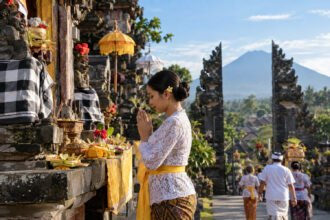
No exploration of Bali’s heritage is complete without visiting its iconic temples, or pura. These structures are not merely tourist attractions—they are active places of worship deeply embedded in daily Balinese life. Tanah Lot, perched dramatically on a rock formation battered by ocean waves, remains one of the most photographed sites on the island. Yet its true significance lies in its role as a sea temple dedicated to guarding Bali from evil spirits.
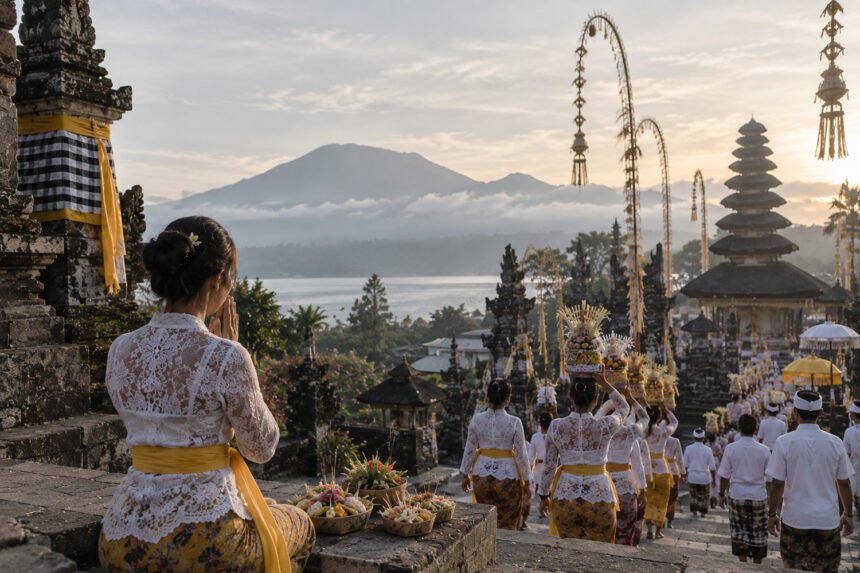
Further inland, Pura Besakih, often called the “Mother Temple,” sits on the slopes of Mount Agung and represents the holiest temple complex in Balinese Hinduism. Meanwhile, Pura Ulun Danu Bratan, floating serenely on Lake Bratan, showcases the harmonious relationship between architecture and nature that defines Balinese spiritual design. Many luxury resorts arrange private, guided visits to these temples, complete with traditional attire and knowledgeable local guides who explain the symbolism behind every carving and offering.
Royal Palaces and Historical Landmarks
Bali’s royal history comes alive through its palaces, or puri, which once served as centers of political and cultural power. Puri Saren Agung in Ubud, the traditional seat of the Ubud royal family, still hosts regular dance performances in its courtyard, allowing visitors to witness centuries-old storytelling traditions performed live. Similarly, Klungkung’s Kertha Gosa Pavilion offers a glimpse into Bali’s judicial history, with its painted ceilings depicting moral tales and cosmic justice.
Staying at heritage-inspired properties near these landmarks allows travelers to absorb the grandeur of Bali’s past while enjoying modern amenities. Many boutique hotels incorporate traditional Balinese architecture—thatched roofs, carved stone gateways, and open-air pavilions—into their design, creating an immersive sense of place that a standard hotel simply cannot replicate.
Traditional Ceremonies and Rituals
Balinese Hinduism is woven into everyday life, and ceremonies occur with remarkable frequency. From temple anniversaries known as odalan to elaborate cremation rituals called ngaben, these events offer profound insight into the island’s spiritual worldview. Visitors fortunate enough to witness or respectfully participate in such ceremonies gain a deeper appreciation for Balinese values of balance, community, and devotion.
Luxury resorts increasingly collaborate with local villages to offer guests authentic, respectful access to these cultural moments. Some properties organize purification rituals at nearby water temples, while others arrange private blessings led by a Hindu priest, or pemangku. These experiences are carefully curated to honor tradition rather than commodify it, ensuring cultural integrity remains intact.
Culinary Heritage: A Feast for the Senses
Balinese cuisine tells its own cultural story, rich with spices, ceremonial significance, and centuries-old techniques. Dishes like babi guling (suckling pig), lawar (a mixture of vegetables, meat, and spices), and bebek betutu (slow-cooked duck) are often prepared for religious ceremonies before making their way into restaurants and home kitchens.
Luxury dining experiences in Bali now emphasize heritage recipes, farm-to-table ingredients, and traditional cooking methods. Many resorts invite guests into their kitchens for hands-on cooking classes, teaching the art of grinding spice pastes using a traditional stone mortar or preparing offerings made from banana leaves and flowers. These culinary journeys allow travelers to taste history while enjoying refined, elevated presentations that suit modern palates.
Art, Craftsmanship, and Village Life
Bali’s artistic heritage flourishes in villages like Ubud, Mas, Celuk, and Batuan, each specializing in distinct crafts. Ubud remains the island’s cultural heart, home to painters, dancers, and musicians who continue traditions passed down through generations. Mas is renowned for wood carving, Celuk for intricate silver and gold jewelry, and Batuan for its detailed, mythologically inspired paintings.
High-end travel experiences often include private studio visits, where guests meet master artisans and even try their hand at traditional techniques. This direct engagement supports local economies while fostering genuine appreciation for the skill and patience required to preserve these art forms. Purchasing handcrafted pieces directly from artisans also ensures authenticity and provides meaningful, story-rich souvenirs.
Wellness Traditions Rooted in Culture
Bali’s wellness industry, while globally renowned, draws heavily from traditional healing practices. Usada Bali, an ancient system of herbal medicine and holistic healing, has influenced many modern spa treatments found across the island’s luxury resorts. Balinese massage techniques, herbal jamu drinks, and flower baths are not merely relaxation tools—they carry centuries of cultural and medicinal knowledge.
Retreats increasingly incorporate traditional healers, or balian, into their wellness programs, offering guests a rare opportunity to experience authentic energy healing or herbal consultations. This fusion of luxury spa culture with indigenous wellness traditions exemplifies how Bali continues to honor its roots while catering to contemporary desires for holistic well-being.
Tips for an Authentic Luxury Heritage Experience
To make the most of a culturally immersive Bali trip, consider the following:
- Choose heritage-focused accommodations that incorporate traditional architecture and local partnerships.
- Dress respectfully when visiting temples, wearing a sarong and sash as required.
- Engage local guides who can provide accurate cultural and historical context.
- Participate mindfully in ceremonies, following etiquette guidance from hosts or guides.
- Support local artisans by purchasing directly from villages rather than mass-produced retailers.
These small considerations ensure that luxury travel remains respectful, sustainable, and enriching for both visitors and host communities.