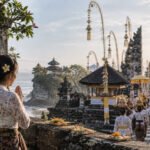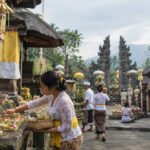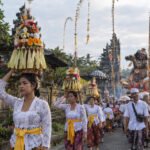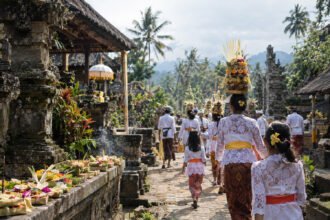


Bali is more than temples, rice terraces, and turquoise water. Behind every postcard-perfect scene are people whose quiet determination shapes the island’s soul. From master carvers who breathe life into wood, to healers who guard ancestral wisdom, to young entrepreneurs blending tradition with innovation, Balinese personalities carry stories that inspire far beyond their villages. This blog celebrates the resilience, creativity, and spirit of everyday Balinese heroes — the artists, farmers, dancers, and dreamers who prove that greatness often grows quietly, rooted in culture, community, and an unshakable love for home.
The Soul Behind Bali’s Reputation
Ask most visitors what makes Bali special, and they will mention beaches, sunsets, or spirituality. Ask a local, and they will likely mention a person — a grandmother who taught them to weave offerings, a teacher who kept a dying dance alive, or a fisherman who became a reef guardian. Bali’s global reputation as the “Island of the Gods” is not an accident of geography; it is the product of generations of Balinese people who have protected their culture while adapting to a rapidly changing world. Understanding these personalities gives us a richer, more human picture of Bali than any travel brochure ever could.
Guardians of Traditional Art and Craft
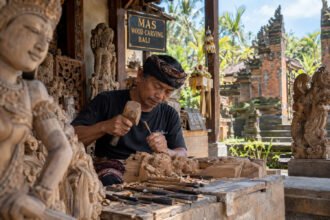
Balinese art is inseparable from Balinese identity, and the artisans who keep it alive deserve far more recognition than they usually receive. In villages like Mas, Celuk, and Batuan, wood carvers, silversmiths, and painters spend decades perfecting techniques passed down through family lines. Many of these craftsmen never seek fame; they work in small home studios, teaching their children and grandchildren the same patient, meditative process they themselves learned as children.
What makes these artisans remarkable is not just their skill, but their mindset. Carving in Bali is often treated as a spiritual offering rather than a commercial task. A woodcarver may spend weeks on a single mask, believing that rushing the work would rush away its meaning. This philosophy — that art is a form of devotion — has helped Bali preserve a visual language that tourists recognize instantly, even if they cannot name the artist behind it.
Healers Who Bridge Two Worlds
The traditional Balinese healer, known locally as a balian, occupies a fascinating space between medicine, psychology, and spirituality. Long before wellness retreats became fashionable, Balinese communities relied on balians for everything from physical ailments to emotional distress and spiritual imbalance. These healers often inherit their knowledge through family lineage or spiritual calling, spending years studying herbal remedies, energy work, and ceremonial practices.
What is inspiring about many contemporary balians is their willingness to coexist with modern medicine rather than compete with it. Increasingly, healers encourage patients to seek hospital treatment for serious conditions while offering complementary spiritual and emotional support. This balance between old and new reflects a broader Balinese talent: adapting without abandoning identity. It is a lesson in humility and flexibility that reaches well beyond healthcare.
Dancers and Musicians Preserving Living Heritage
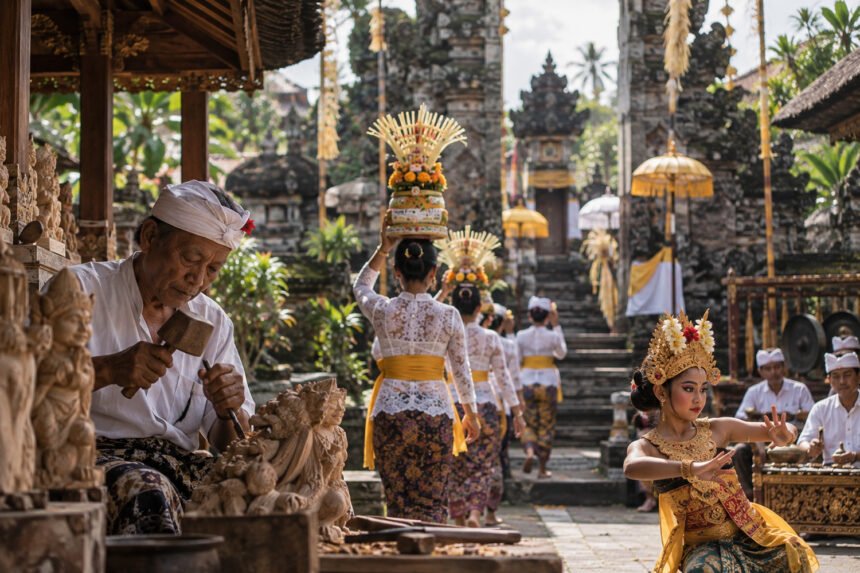
Balinese dance is not mere performance; it is storytelling, prayer, and community memory rolled into one. Behind every graceful Legong or dramatic Barong performance is a dancer who began training as a small child, often waking before dawn for practice sessions guided by strict but loving teachers. Many of these dancers grow up to become instructors themselves, ensuring that intricate hand gestures and facial expressions are not lost to time.
Gamelan musicians share a similar dedication. Learning to play in a gamelan orchestra requires memorizing complex, interlocking rhythms without written sheet music, relying instead on listening, repetition, and communal trust. Musicians describe the experience as less about individual talent and more about becoming part of a single, breathing organism. This spirit of collective harmony over individual glory is one of the most inspiring aspects of Balinese performing arts, and it offers a powerful metaphor for teamwork in any field.
Farmers Protecting the Subak Legacy
Bali’s iconic emerald rice terraces exist because of the subak system, a centuries-old cooperative irrigation network recognized by UNESCO as a masterpiece of traditional engineering. Behind this system are farmers who continue rotating crops, managing water rights, and holding ceremonies to honor the rice goddess Dewi Sri, even as agricultural land shrinks under tourism development pressure.
These farmers are quiet environmentalists. Long before “sustainability” became a global buzzword, subak farmers were practicing fair water distribution and ecological balance based on Hindu-Balinese philosophy, particularly the concept of Tri Hita Karana — harmony between humans, nature, and the divine. Their commitment to preserving this system, often at real financial sacrifice, is a remarkable act of cultural stewardship that deserves far greater recognition.
A New Generation of Balinese Changemakers
While tradition remains central to Balinese identity, a new wave of young Balinese personalities is proving that innovation and heritage can coexist beautifully. Entrepreneurs are building sustainable fashion brands using traditional weaving techniques, chefs are reinventing ancestral recipes for global palates, and environmental activists are leading beach clean-up movements and coral restoration projects.
What unites these young changemakers is a shared sense of responsibility toward their island. Many grew up watching their parents balance tourism income with cultural preservation, and they have inherited that same instinct — but applied it to modern challenges like plastic pollution, over-tourism, and climate change. Their stories show that being “inspiring” does not always mean grand gestures; sometimes it simply means refusing to let your roots be forgotten while still moving forward.
Everyday Heroes Rarely in the Spotlight
Not every inspiring Balinese personality fits neatly into a category like artist, healer, or activist. Some of the most remarkable stories belong to ordinary people: a warung owner who feeds struggling neighbors without asking for repayment, a temple caretaker who has swept the same courtyard for forty years without complaint, or a school teacher in a remote village who walks miles daily to ensure children receive an education.
These stories rarely make headlines, yet they represent the backbone of Balinese society. Their quiet consistency, generosity, and sense of duty reflect deeply held cultural values around community, respect, and service to others. In many ways, these unnamed heroes embody the true spirit of Bali more authentically than any famous figure could.
Why These Stories Matter
In an age where success is often measured by visibility and virality, Balinese personalities offer a refreshing counter-narrative. Their inspiration comes not from seeking attention, but from consistent devotion to craft, community, and culture. Whether it is a carver shaping wood with patience, a healer blending old and new medicine, or a farmer protecting centuries-old irrigation traditions, each story teaches a version of the same lesson: meaningful impact often grows slowly, rooted in humility rather than fame.